

Even More Bach Monuments ...
and Bach Tributes ... Worldwide..
Click here to discover the first 55 Bach monuments. And now, here are my additional Bach treasures and Bach discoveries when it comes to monuments..
56 Gellert Bach Crypt in the Pauliner Church, Leipzig
57 Bach Tribute: “Memorial Plaque The Time in the Crypt”
58 Bach Momunent in St. Petersburg, Russia
59 Bach Monument in Moscow, Russia
60 Bach Bust in the Palace Museum of Köthen, Germany
61 Star for Bach on the „Walk of Fame of Music“, Vienna..
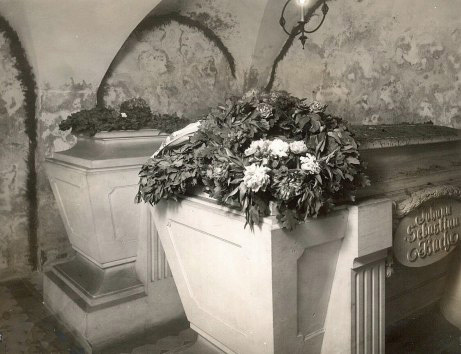
56 For a time, the remains of Johann Sebastian Bach were laid to rest in St. Paul’s Church in Leipzig. There, in 1949, “for a while” Bach found his final resting place. Until 1968. © Info..
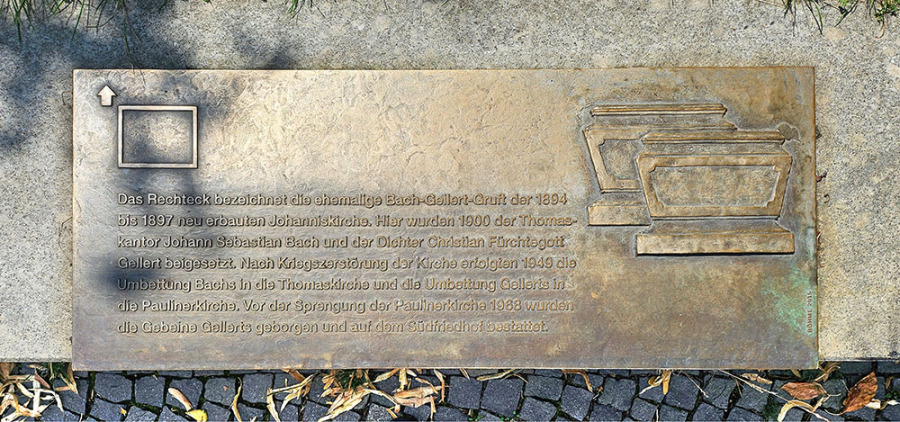
57 A commemorative plaque for the Gellert Bach Crypt. The location? On Johannis Square in Leipzig, right on the southern edge of the green space, in front of the Grassi Museum. © Mirko Seidel, Leipzig..
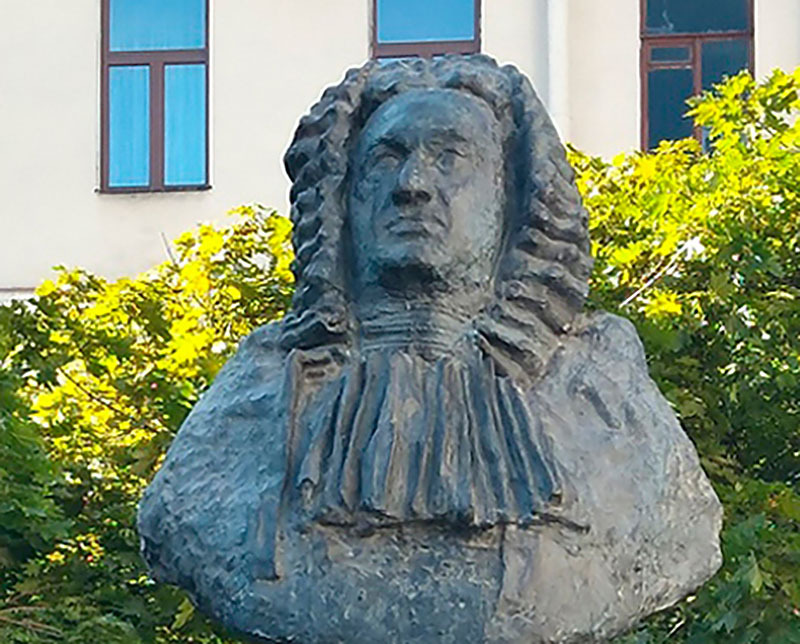
58 There is an interesting bust of Bach in St. Petersburg, Russia. It can only be found on the Russian internet and in Russian words. © Info..
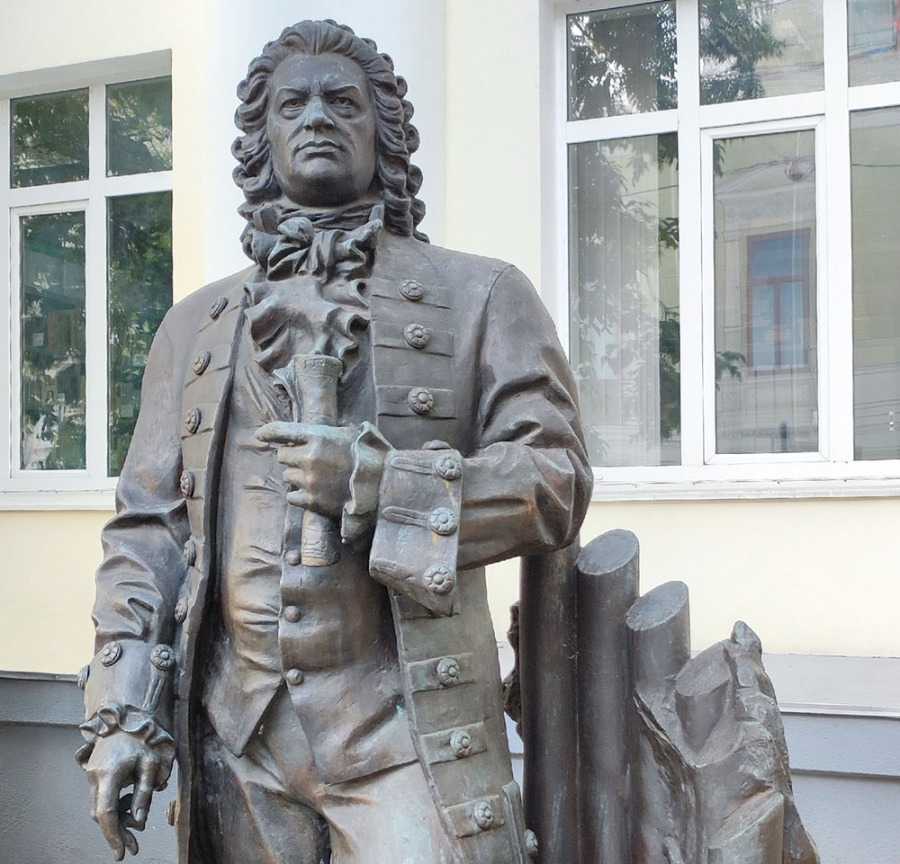
59 In Moscow, Russia, there is an elaborate tribute to Bach that reminds us of the “New Bach Monument” in Leipzig, Germany. However, it is definitely not a copy: Nothing was stolen, perhaps ... except the inspiration for how to design another tribute. © Info..
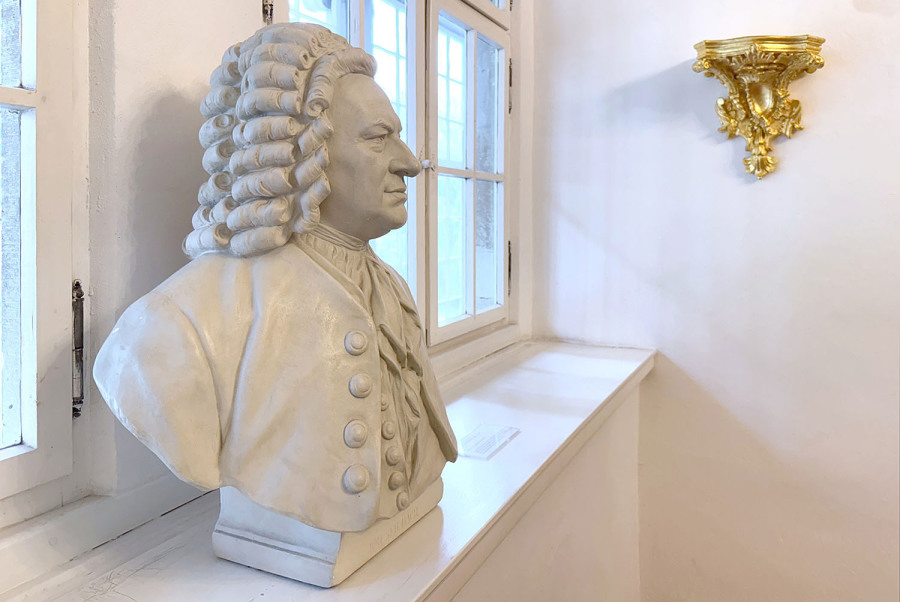
60 I had simply discovered it very late, and so it was truly my final tribute to Johann Sebastian Bach, waiting for Bach enthusiasts from all over the world at the Köthen Palace Museum. But things turned out differently..
It Gets Almost Silly: But a Tribute Is Just a Tribute … For Johann Sebastian Bach..
The line is blurred: While naming a massive crater on a planet after the maestro – as a tribute – is certainly borderline, streets named after him are not. Or are they? Just keep reading. Let me entertain you. And then form your own opinion about each tribute to the Baroque musician..
Honorary Titles Are Excitement..
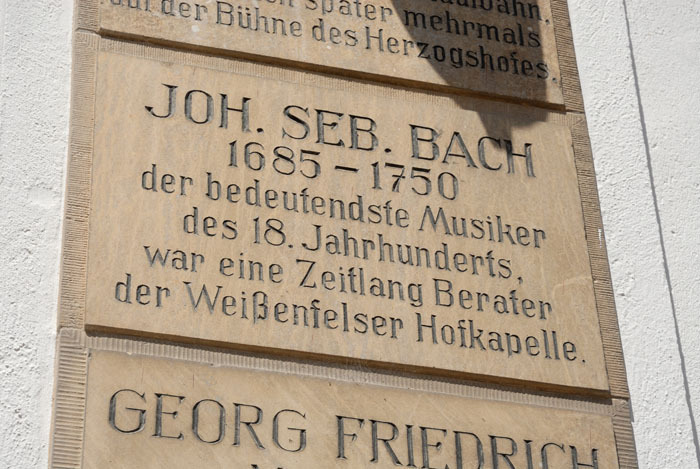
The Prince of Weißenfels was so impressed by Bach’s artistry and skill that he granted him the honorary title of “Grand Ducal Saxon-Weißenfels Court Band Leader of House”. That was in 1729, so during Bach’s time in Leipzig. I won’t be showing you a picture of this prince..
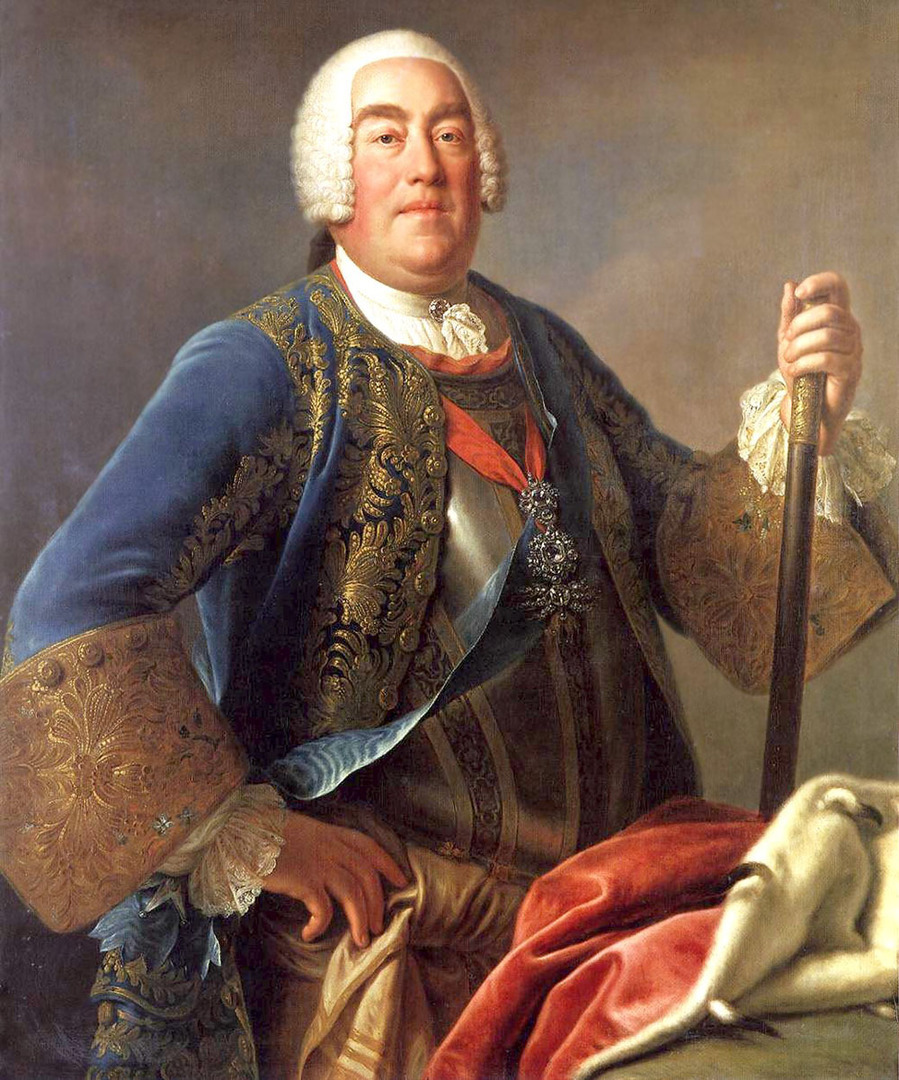
In 1736, Johann Sebastian Bach was appointed “Royal Polish and Electoral Saxon Court Composer” by the Saxon Elector August III, who was also King of Poland..
August III had been Elector of Saxony and King of Poland since 1733. He succeeded his father, Augustus the Strong. Bach had sought the aforementioned honor in 1733. He had presented the new Elector with a mass – the “Kyrie and Gloria section of the later Mass in B minor” – as a musical application. Three years later, he finally received the “nobility” title Bach so coveted. The title was primarily ceremonial and did not entail a permanent position at the Dresden court, yet it was of great prestige to Bach. This was particularly true in his disputes with the Leipzig city administration..
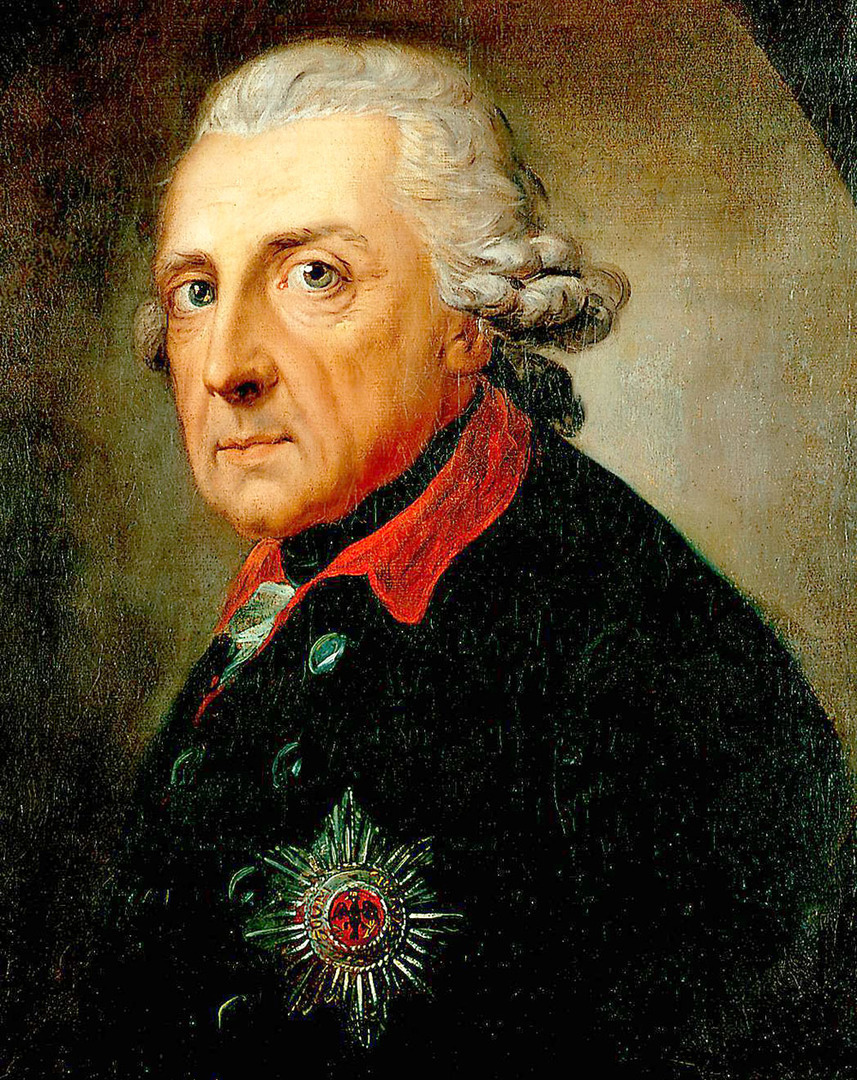
King Frederick II of Prussia. He is regarded as one of the greatest kings in history. He was known as “Old Fritz.” Bach did not receive a title from him. The extraordinary honor stems solely from the fact that Bach was invited by this outstanding personality to play for him in Berlin and Potsdam. Today, this encounter is known as a meeting between two of history’s greatest figures. For Bach, it was undoubtedly the highlight of his musical career..
Johann Sebastian Bach Schools..
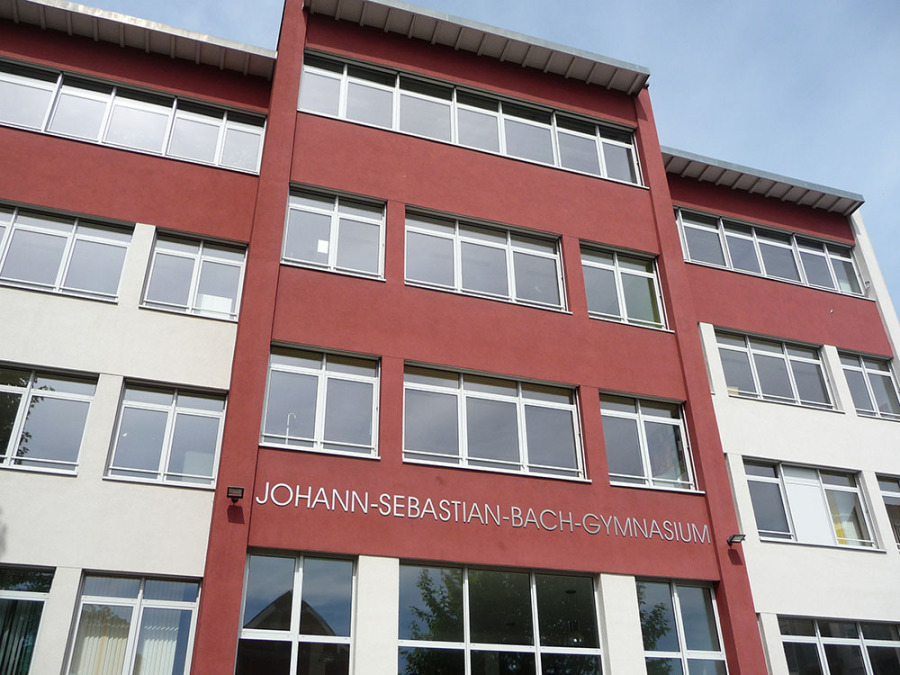
There is a Bach FAQ on the topic of “Bach and Schools”. But that’s right: The schools the composer attended in his youth aren’t worth mentioning as a tribute. After all, they aren’t called Johann Sebastian Bach Schools. The situation is different for the few such institutions that – precisely – bear this title in his honor. The one shown above is a high school in Mannheim, Germany. © Info..
A Cool, Hypermodern Museum Dedicated to Johann Sebastian Bach..
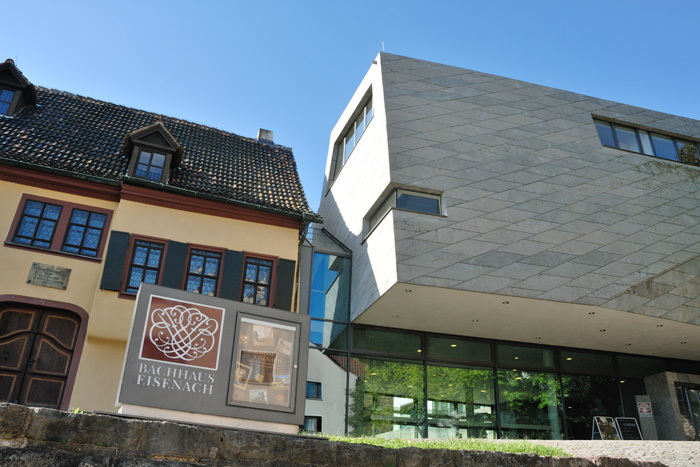
Only “just another museum” ... maybe even in the house where a celebrity was born ... that’s not a tribute to me. There are “loads”of such museums. But if you “install” an architectural highlight for a musician at a cost of 4.3 million euros (... around 5 million US dollars), then that is certainly a tribute..
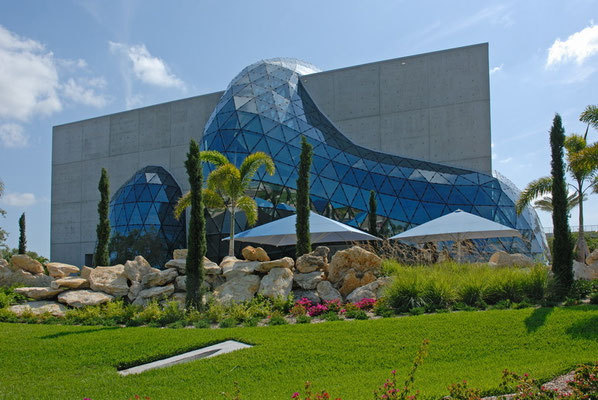
The ultra-modern Dalí Museum in the U.S. is just as magnificent as his paintings. It’s fascinating to note that only six artists of great significance—but not a single other composer—have been “honored” with an exciting new museum building. In addition to what is undoubtedly the most exciting Dalí-related site in St. Petersburg, Florida, USA, there are the architectural masterpieces dedicated to Vincent van Gogh in Amsterdam, Paul Klee in Bern, Joan Miró in Barcelona, and Edvard Munch in Oslo. And … please don’t hold this against me: There are more exciting new buildings dedicated to a single artist … but Nam June Paik or Rita Dean’s Abbey simply aren’t in the same league as the six masters mentioned above..
170 Postage Stamps Honor the Master..
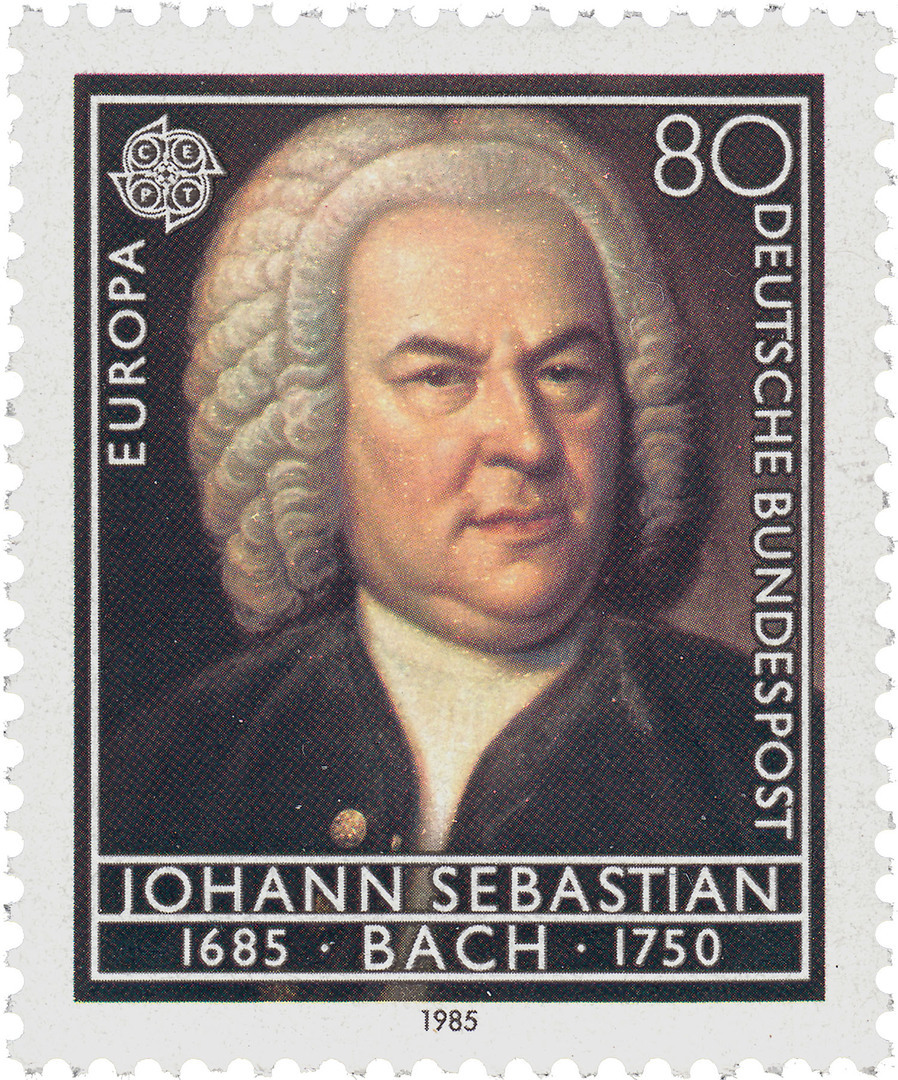
Well, to be precise, there are 170 stamps and ( ! ) Cinderellas featuring Bach. Or one of his works. Or related to him in some other way. Or to his family. You can discover them all. In another section of my website. Click here to discover all the Bach stamps..
Is There One Asteroid Named Bach, or Even Two?..
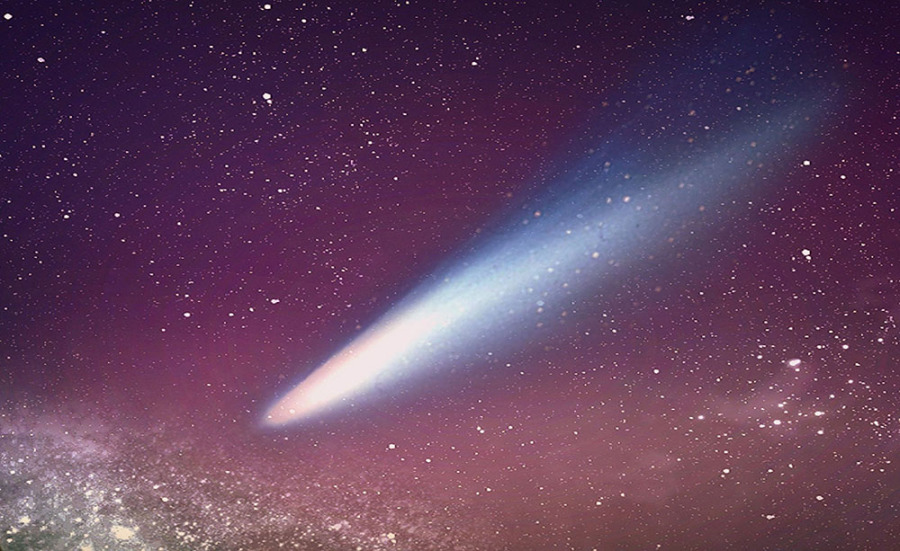
Is it “Sebastiana”? Or “Bach”? Or neither? © Pixabay..
The first of the two asteroids associated with Bach, namely Asteroid 1482 named “Sebastiana”, was discovered on February 20, 1938, by the German astronomer Karl Reinmuth at the Heidelberg Observatory in Germany. However, the origin of the name is not clearly documented. Some speculate, however, that it might be a reference to Johann Sebastian Bach. This remains purely speculative, however, as there is no official confirmation from the International Astronomical Union (... IAU). During Reinmuth’s active period, in the first half of the 20th century, it was not actually customary to specifically name asteroids after artists, musicians, or composers. The International Astronomical Union’s (... IAU) naming rules were stricter back then ... or rather, they were handled differently than they are today. Personal dedications to musicians only became common later… often in the second half of the 20th century and thereafter. So perhaps Bach had managed it after all, and “somewhat secretly”. On the other hand, there is also no evidence that the asteroid might be dedicated to the German mathematician Sebastian Finsterwalder..
Sebastiana is part of the asteroid belt between Mars and Jupiter, where it follows a typical orbit with a period of about 4.1 years. Its average diameter is estimated to be around 17 kilometers (... 10.5 miles)..
Much later, on March 24, 1971, the asteroid No. 1814, named “Bach,” was discovered by the Czechoslovakian astronomer Luboš Kohoutek. Unlike “Sebastiana,” the origin of “Bach’s” name is clear: It was named in honor of Johann Sebastian Bach. This asteroid also belongs to the main belt and orbits the Sun in about 4.3 years. With a diameter of around ten kilometers, “Bach” is slightly smaller than “Sebastiana.”..
The naming of a celestial body after such an important representative of music history is a wonderful example of how astronomy and culture can be intertwined..
By the way, there isn’t a single musician who has two officially named asteroids bearing their name. The IAU (… the International Astronomical Union) stipulates that every name must be unique when naming objects. Only two musicians in total have been definitively immortalized in the sky by two asteroids. And that is in the sense that a band was explicitly honored. And then two of its members as well. This applies to Sir Paul McCartney and the Beatles: two asteroids. And John Lennon, again with the Beatles: again, two asteroids..
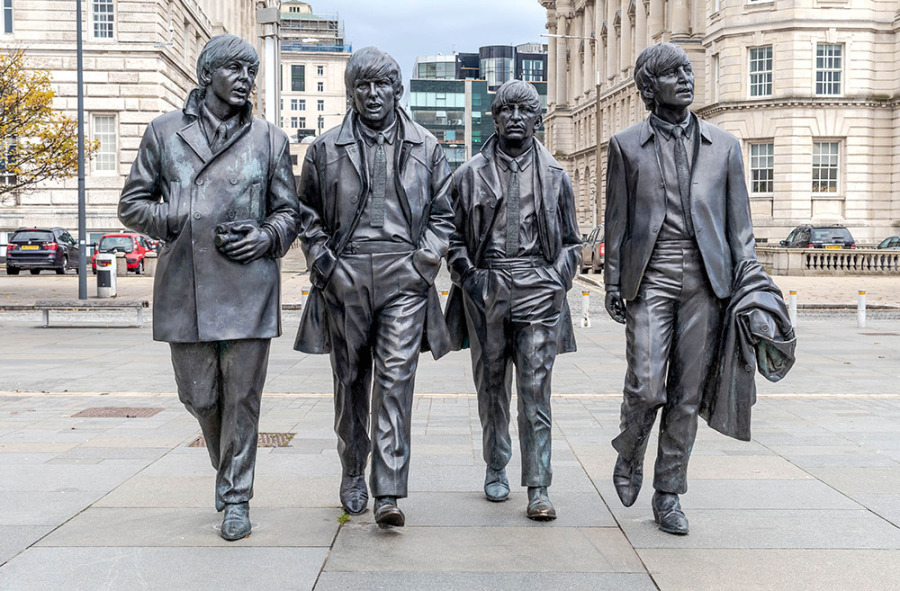
Without a doubt, they orbit the sun in two forms: Paul McCartney and John Lennon. In one case, as a celebrated band. In the other, as celebrated musicians. As for Bach ... we don't know if he is the famous exception to the rule in heaven. Once again. © Pixabay..
Even More Curious: Johann Sebastian Bach and the Quantum Mechanics..

Bach and a black hole? © Pixabay..
In quantum mechanics, scientists study how tiny particles, such as molecules, move and oscillate. Some molecular oscillations follow patterns that researchers compare to music... particularly to well-known musical sequences. One such sequence is called the Bach Figure, because it resembles Johann Sebastian Bach’s famous B-A-C-H motif. This musical connection helps scientists better understand and describe complex oscillation patterns. It’s a fascinating example of how music and science intersect: music inspires researchers, and science shows us that nature sometimes sounds like a composition. A true nerd crossover!..
A Gigantic Crater Named After Bach: On the Distant Planet Mercury..
Learn more right here and now about the Bach Crater in the Bach Basin in the Bach Quadrant..
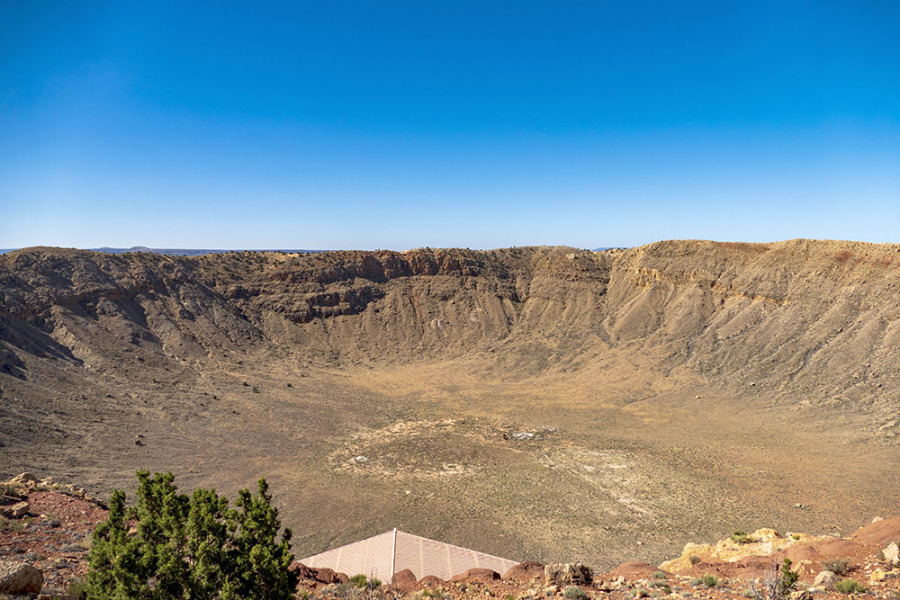
Compared to the Bach Crater, the one, pictured above, here on Earth is downright “cute.” But the photo shows an impact crater that is enormous by Earth’s standards. It is the Barringer Crater in Arizona, United States. © Info..
About 50,000 years ago, a gigantic meteorite struck what is now the Colorado Plateau on Earth. At that time, the region had a cooler, wetter climate characterized by vast grasslands dotted with forests. Prehistoric animals such as woolly mammoths, giant sloths, and camels lived in this environment..
The meteorite, much smaller than an asteroid, had a diameter of about 45 meters (... some 148 feet). It weighed approximately 300,000 tons and consisted mainly of iron. It struck the Earth’s surface at a speed of 15 to 30 kilometers per second (... about 55,000–110,000 km/h, which is about 34.000–68.000 mph). The force of the impact triggered an explosion about three times as powerful as the Tunguska event. The shock wave shattered the rock and hurled about 175 million tons of material into the surrounding area. Among them were limestone blocks up to 30 meters in size (... some 100 feet). The diameter of the crater? 1.2 kilometers (... 0.5 miles). The depth? 170 meters (...some 555 feet)..
At the point of impact, rock and metal were vaporized or melted. This process created new minerals such as diamonds and the rare mineral lonsdaleite. The earthquake triggered by the impact reached a magnitude of approximately 5.5 on the moment magnitude scale. The immediate destruction was enormous: All life was wiped out within a four-kilometer (... 2.5 miles) radius. The fireball extended up to ten kilometers, while the shock wave, traveling at speeds of up to 2,000 km/h (... 1,244 miles), devastated everything within a radius of 14 to 22 kilometers (... 9 to 40 miles) . Even at distances of up to 40 kilometers (...25 miles) , hurricane-force wind speeds were still measurable. Despite this massive local devastation, the impact had no global consequences. The affected region recovered astonishingly quickly: It was likely repopulated by plants and animals within a century..
Now back to Bach. There isn’t a single crater on the moon named after Bach. It feels like all of Bach’s “colleagues” are represented there. From Beethoven to Mozart, from Wagner to Verdi. But not ... Bach..
Given the sheer scope of his life’s work, however, Bach makes his mark elsewhere in our solar system. In fact, not just a crater on Mercury is named after him. The Bach Crater on Mercury has a diameter of about 214 kilometers (... 134 miles) and is part of a larger geological structure that is also named after Johann Sebastian Bach. It is the Bach Basin. It is embedded within the Bach Ring Structure Unit, which describes the ring-shaped structure surrounding the crater and was formed by the impact. Within this ring lies the Bach Crater Material Unit, which encompasses the ejected material and the crater itself. These units were defined as part of the geological mapping of southern Mercury, particularly in quadrant H-15. They provide important insights into the formation and evolution of the impact region. Compared to the Barringer Crater on Earth, which measures “only” about 1.2 km (... 0.75 miles) in diameter, the Bach Crater on Mercury is gigantic. Namely, 214 kilometers (... 134 miles). But even this giant is easily dwarfed by the Beethoven Crater, which is three times as large: 625 kilometers (... 388 miles) in diameter..
Was Bach Dishonored in Vienna?..
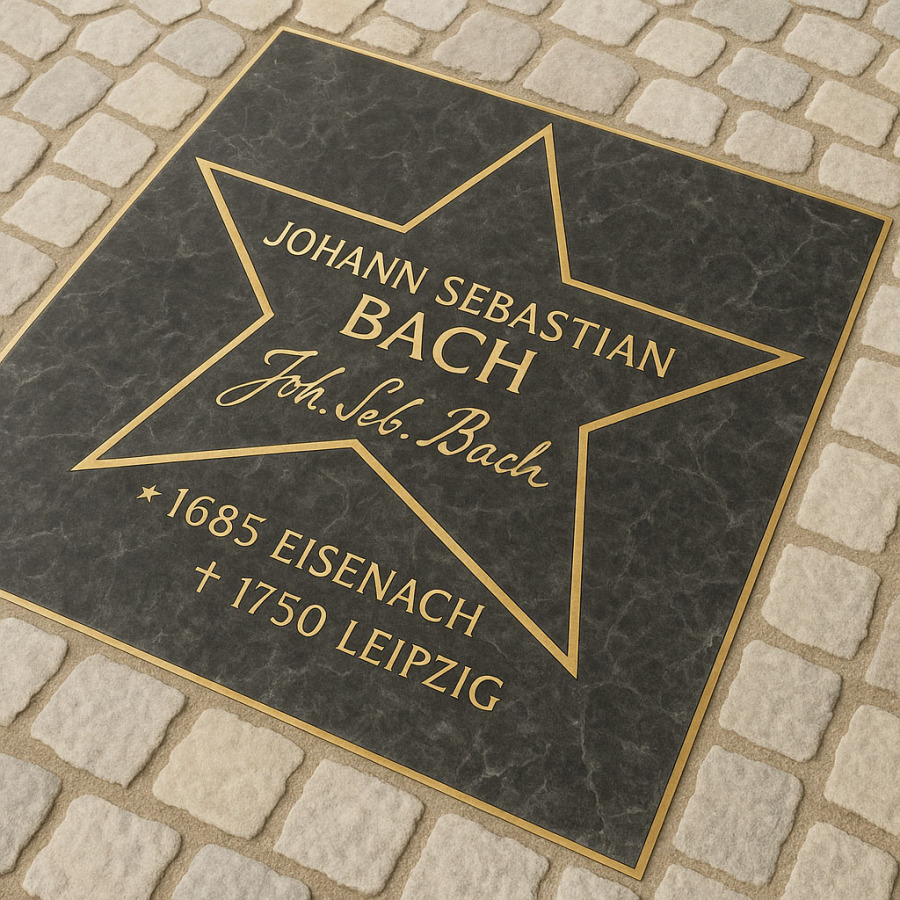
61 No, it’s not the authentic star. Because there simply isn’t a good photo of it. And poor-quality photos just aren’t acceptable … not in my project. So a little photo montage of my own, which comes very, very close to the artwork in Vienna, is a better fit. It will then remind us for all eternity that Bach was surely the musician who waited the longest for “his star in Vienna.” Namely, from 1750 until June 11, 2003. Of course, this comparison isn’t entirely fair, since Bach was the first of the honored musicians, and therefore also the longest dead. Here, on “Bach on Bach”, he will not be removed again. We don’t do that. And in fact, this makes it Bach Monument No. 61. © Peter Bach, Jr..
From 1938 to 1945, there was also a Johann-Sebastian-Bach-Gasse, (... times Gasse means lane) which was renamed “Sonnenfelsgasse” on June 18, 1945. After one of Vienna’s mayors. So here, too, and much earlier, Bach was effectively disgraced. What a shame … really. But back to the “Music Walk of Fame”... ..
No More Tributes to Bach in Vienna?..
With this headline, it must of course be made clear right away that this disgrace affects all 100 greats of music. Why?..
At least we still know exactly where Bach was honored. Namely, on the sidewalk in front of the building at Kärntner Ring 12. The star was surrounded by marble, granite, and a bronze border. It was located on the so-called “Music Mile,” the “Walk of Fame of Music”… or is it still that today? In 2001, a surprisingly grand unveiling of the stars was held. But since 2009, they’ve been removed again. One star after another. Mostly during road construction. Because dismantling them is also costly. The project began in 2001 with 70 stars. At its peak, there were 100. By the time I wrote these lines, there were already only 40 left. And those are supposed to disappear as well. Bit by bit..
“ORF Online” wrote the following on the subject. It is reproduced here in abridged form and has been edited by me:..
Music Stars Are Quietly Disappearing from Vienna's Streetscape..
They once defined the stretch between the Theater on der Wien and St. Stephen’s Cathedral … today, the traces of the so-called “Music Mile” are fading rapidly. Little remains of its former glory: Nearly two-thirds of the nameplates have already been removed..
In 2001, dozens of musicians and composers were honored with stars embedded in the sidewalk. The city oversaw the project, and funding came from the United Stages. The plan was to add new stars every year. But things turned out differently..
Since responsibility was transferred to the Haus der Musik (... House of Music) in 2008, the plates have been gradually removed whenever the opportunity arose. This often happened during street renovations. According to Director Simon Posch, there was little demand for the monuments to remain. Furthermore, many were damaged. Restoration would have cost thousands of Euros. ... Money that they did not want to invest. The cost of complete removal was estimated at just under a quarter of a million Euros. This is why the removal is being carried out slowly and cost-effectively..
The stars that have been removed are now being stored at a stonemason’s yard. What will happen to them in the future remains to be seen … a public auction is out of the question. They are heavy, some are damaged, and they are not easy to transport..
The project has served its purpose. But it is now outdated, according to Posch. “Audio guides,” once part of the concept, have since been rendered obsolete by smartphones. There was hardly any public communication about the dismantling … which raised some questions..
And Now ... Vienna Completely Without Bach?..
Wait, wait ... there is at least one monument in Vienna honoring Johann Sebastian Bach after all. A marble statuette of the Thomas Cantor is located in the vestibule of the Musikverein at the corner of Bösendorferstraße and Dumblastraße. It was created between 1876 and 1878 by the sculptor Vincenz Pilz and moved from the façade to the vestibule in 1911. It is a rather small but artistically crafted bust inside the Musikverein. It is not a large public monument like, for example, the monuments to Beethoven or Strauss in Vienna. It is number 42 on the first Bach monument page. Click here to get there..
A Bach Street, a Bach Square
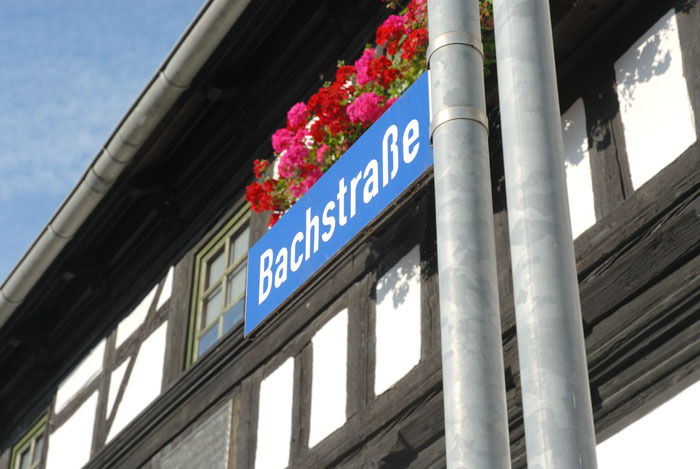
Am I sure it's a Bach Street (... Bachstraße) named in honor of the composer? Yup ... I am..
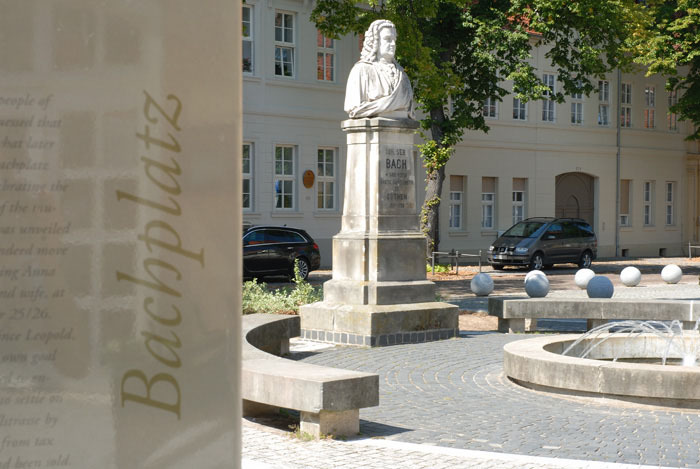
Am I also sure that it’s a Bach Square named in honor of the composer? Yup … I am, too..
In both cases: Yes, I’m really sure of that. Absolutely sure. So, first, let’s talk about these two exceptions. A Bachplatz is usually named that way because of its closeness to a body of water. After all, if someone had wanted to name a square in honor of the Eisenach native, the municipality in question would have made that clear by naming the square Johann-Sebastian-Bach-Platz. To avoid any misunderstanding. In the case above, it is the “exception to the rule.” Bachstraße (... Bachstreet). It is located in Wechmar, the Ancestral Home of the Musical Family. The same place where the Bach Family Stem Home is located. And no creek in the nearby vicinity. So ... since the last Ice Age. Let’s consider probabilities: In these exceptional cases, it is far more likely that the reference was intended to be to Johann Sebastian Bach. And not to the little creek “Apfelstädt,” which is about 100 meters (... 328 feet) away and lies 25 meters (... 82 feet) lower..
So, if we exclude “Bachstraßen (... Bachstreets),” there are 268 “Johann-Sebastian-Bach-Straßen” in Germany. In addition, there are 19 Johann-Sebastian-Bach-Wege (. .. lanes). In Austria, there is exactly one Bachstreet in the city of Linz in the state of Upper Austria. There is also a Johann-Sebastian-Bach-Gasse in Graz. And one in Laa on the Thaya, in the Weinviertel region (... Wine Quarter) of Austria, very close to the Bach places Hanfthal and Ungerndorf. In Strasbourg, in Alsace, France, there is the Boulevard Jean-Sébastien Bach. It is one of the most expensive residential areas in the city. It is one of the most exclusive addresses in Strasbourg. In Paris, there is also the “Rue Jean-Sébastien-Bach”..
In other countries, there are “Johann Sebastian Bach Streets,” which have naturally been adapted to the local language. One example is the “Ulica Jana Sebastiana Bacha” in Poland, which can be found in more cities than just Warsaw..
In Prague, in the Czech Republic, and in other cities there, you can find streets or squares named after Bach. And in Hungary, too, there are streets and avenues named after Bach. In some cities in Italy, there are streets named after Classical Musicians, including Johann Sebastian Bach. In the Netherlands, there are a few streets named after famous composers, including Bach. In the United Kingdom, there is no city associated with the Thomas Cantor. The situation is different in the United States. Here, there are at least ten cities, both large and small, that honor Bach across the Atlantic. They are …
1 San Antonio, Texas, Johann Sebastian Bach Drive
2 Orlando, Florida, Johann Sebastian Bach Lane
3 Springfield, Missouri, Bach Road
4 Gainesville, Georgia, Johann Sebastian Bach Way
5 Kennesaw, Georgia, Bach Court
6 Charlotte, North Carolina Johann Sebastian, Bach Lane
7 Fort Worth, Texas, Bach Drive
8 Murfreesboro, Tennessee, Bach Street
9 Dallas, Texas, Johann Sebastian Bach Street
10 Phoenix, Arizona, Bach Boulevard
Now, about the Bach squares: Why is the Bach Square in Köthen, Germany a tribute to Johann Sebastian Bach?..
What is this all about (... again)? It’s about whether the term “Bachplatz” (... Bach Place) refers to a small local body of water or to the most famous composer of all time..
First of all: Köthen has a Baroque quarter. That is where the historic Bach monument stands. It is also the site of one of the two houses where the Bachs lived back then. Of course, it was the house that no longer stands there. And that makes Köthen one of the most significant Bach cities. With so many connections to the musician, Bachplatz (... the Bach Place) simply cannot be named after the “Ziethe” flowing there. All of the other five to ten Bachplatzes in Germany are almost certainly dedicated to nearby bodies of water..
The situation is different when it comes to Johann Sebastian Bach squares. There are a total of four, in addition to the Bachplatz in Köthen: In Lüneburg, in Lower Saxony, there is Johann Sebastian Bach Square in the old town. In Ansbach, in Bavaria, it is centrally located between St. Gumbertus Church and City Hall. In Stuttgart, in Baden-Württemberg, there is a small triangular square in the western part of the city featuring the “Gänsepeterbrunnen” fountain. It is surrounded by impressive Wilhelminian-style buildings. In the Bach city of Mühlhausen in Thuringia, Johann-Sebastian-Bach-Platz is located right next to St. Blasius Church. On it stands the still very young Bach monument, which was created as recently as 2009 by sculptor Klaus Friedrich Messerschmidt..
222 Choirs, Orchestras, and Societies Around the World Are Honoring Bach..
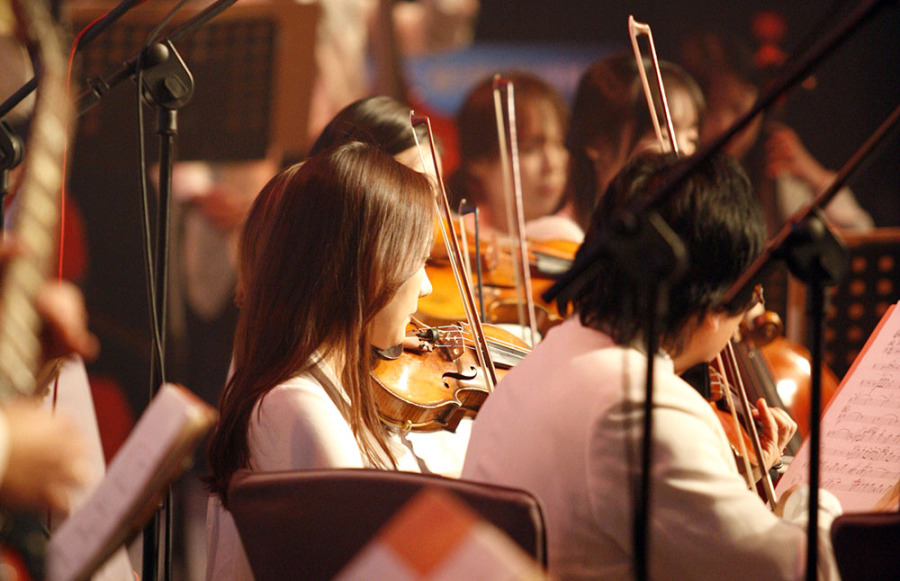
Of course, it is an honor for a composer when people choose his name for their choir, their orchestra, or their society. You can find all 222 of these Bach-related organizations here. © Pixabay..
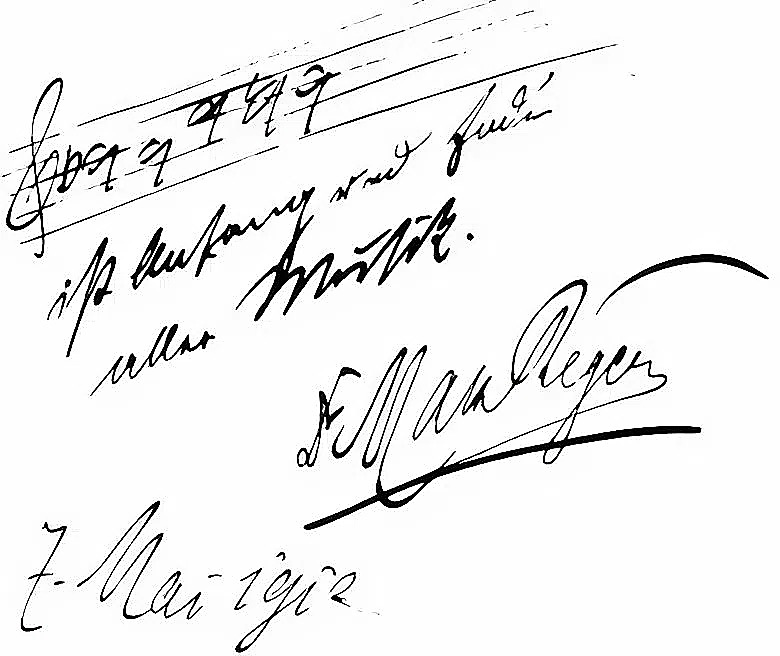
There are two notable details about this quote by the musician Max Reger: First, it is the only surviving handwritten quote that pays tribute to Johann Sebastian Bach. Second, its creative approach is unique. The first part consists of musical notes that, in German-speaking countries, spell out the letters B-A-C-H. Put together, this reads: “B a c h is the beginning and end of all music.”..
After all, personal statements from famous politicians, musicians, and scientists are also a sign of respect and admiration. Especially when you read through the content. None of them are superficial individuals, but rather experts in their respective fields. This makes what they had to say about the Baroque musician all the more significant. Added to this, however, is the admiration of hundreds of thousands of people, including you and me. Of course, I won’t list them all here. But you can find them all via this link. All 66 of them..
4 ( ! ) Theme Hotels Honor Bach in Japan

It should already be mentioned here that the images that follow regarding the “Bach Hotels” in Japan do not depict a single hotel, but rather represent a selection of all four locations. © Green House Group.
A full twelve years after my Bach Project began to evolve year by year, I can now present over 60 Bach monuments instead of just 33. And I’ve discovered further tributes to “our” master, which you’re all familiar with by now: through my publication on these two pages. But: We are always delighted to hear about the latest discoveries from many Bach friends. We have such a warm connection with the Bach House in Eisenach ... specifically with music educator Uwe Fischer and director Dr. Jörg Hansen. Both have helped us many times. And they always provide more than just quick, warm, and above all, expert support for many of my questions and ideas. How wonderful that such a reputable and impressive Bach institution so graciously takes the time and effort to engage with my already very “popular and fluffy” portal and offerings.
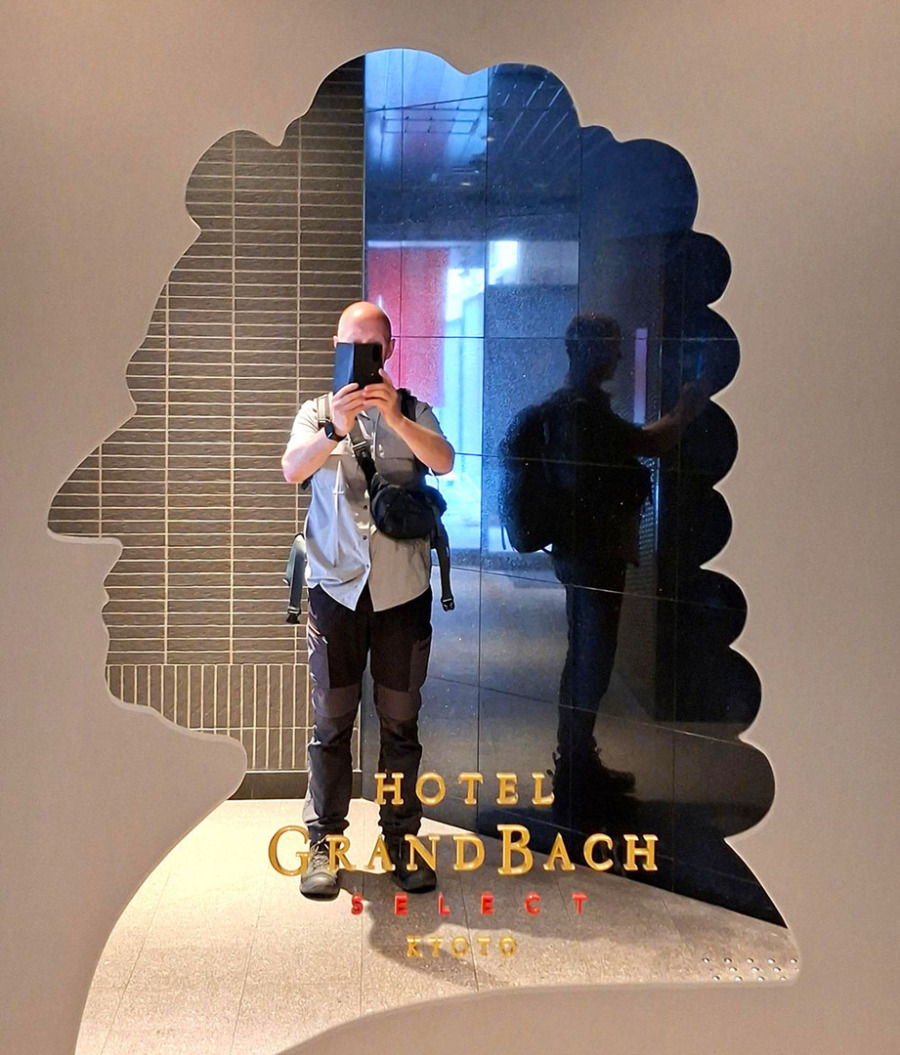
Whenever I have a question on the subject of Bach ... the Bach House is always there to help me. Thank you for that. © Uwe Fischer.
So, in the spring of 2026, I received an email from Uwe Fischer. In it, he presented the next tribute to the Thomas Cantor. In faraway Japan. There, a total of four top resorts are dedicated to the Royal Polish and Electoral Saxon Court Composer. Namely, the four hotels GrandBach Tokyo Ginza, GrandBach Sendai, GrandBach Kyoto Select, and GrandBach Atami Crescendo. While traveling through Japan, Uwe Fischer spotted the letters “Bach” – out of the corner of his eye in one of the Japanese metropolises – a gem for my “collection”... for my compilation of Bach tributes around the globe. And it happened entirely by chance.
He wrote to me, sent me photos, and gave me permission to publish them. A visit to the hotel group’s website reveals the operators’ philosophy. It also leads to a page about Bach’s life, beautifully designed by music writer and music history expert Professor Hiroko Kato. The collages are fascinatingly compiled and arranged ... and the information on the website is also very informative. I would also like to take this opportunity to thank them for granting me permission to publish the official photos here.
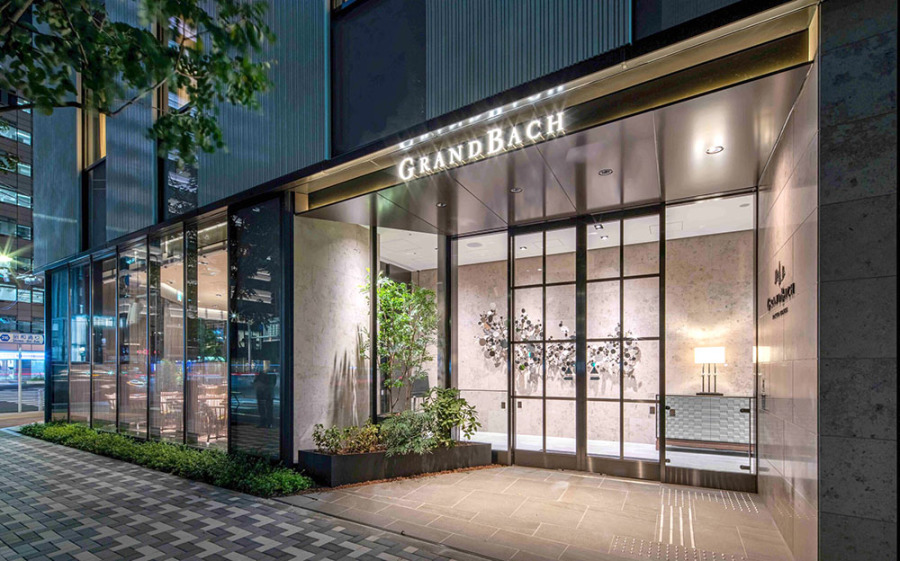
One of the entrance areas: Bach would certainly have liked this. © Green House Group.
I kindly ask you to note that a) the photos from all four hotels are presented in a mixed sequence. And b) it is possible that one or two of the four themed hotels may not be represented by any photos at all. Of course, you’ll find links to the individual locations here. There you’ll find dozens more professional and inviting photos:

Another cool photo. This one was taken during the “blue hour.” © Green House Group.
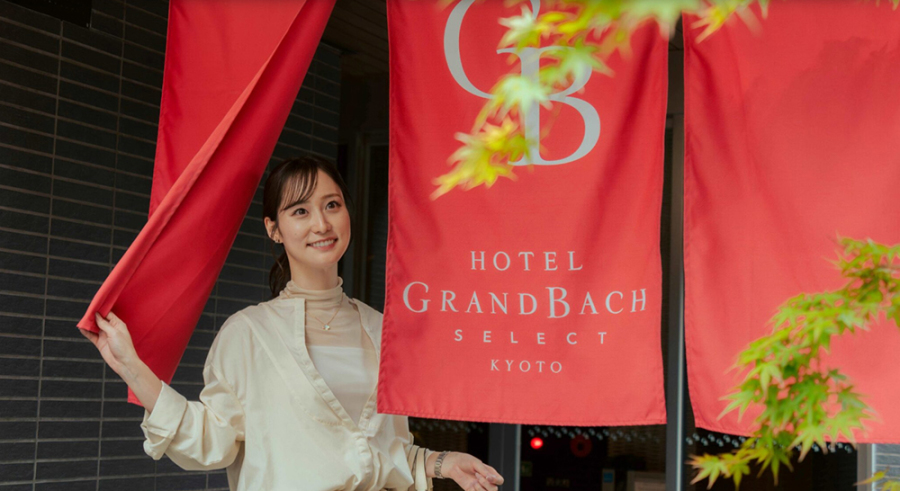
Welcoming and inviting ... that's how four hotels in faraway Japan present themselves. © Green House Group.

In the background: a collage featuring the Baroque composer from Thuringia. The culinary offerings? Equally exquisite. © Green House Group.
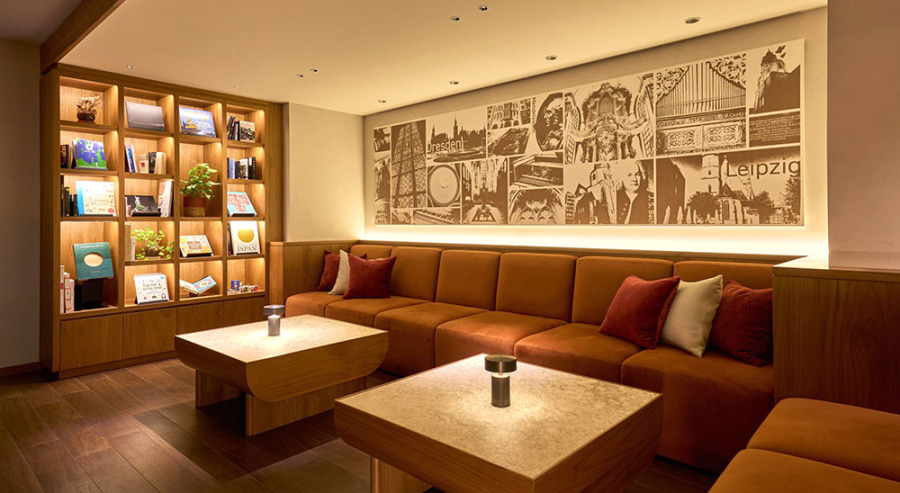
The subject? Bach and music ... throughout the four hotels. © Green House Group.
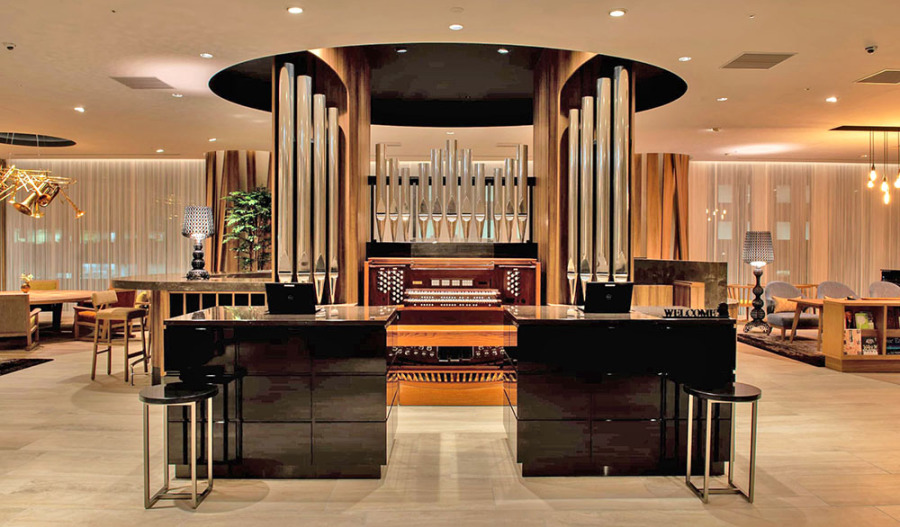
What a cool decoration: organ pipes. And now, back from Asia to Thuringia ... © Green House Group.
What Happens When You “Put Together” a Video About a Small Bach Place, Home to the Most Famous Garden Gnome Manufacturer ... ..
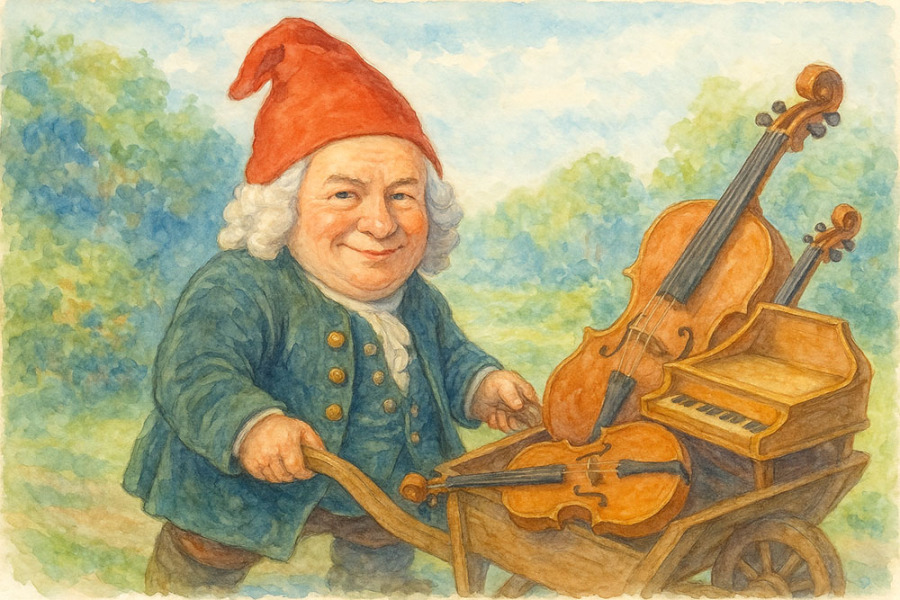
No ... absolutely ... no: Many, many of the garden gnomes from the garden gnome factory in Gräfenroda are hilarious. But the one above ... that one doesn’t exist. It wasn’t even made in Gräfenroda. I made it myself. Now you know: I can’t – with the best will in the world – think of any more tributes for him, for Johann Sebastian Bach. And that makes me, after all, as immature as can be. A “joker” ... exactly. © Peter Bach, Jr..
And Another “Bull's-Eye”: A Collection of Bach Monuments From Around the World
And where is that? On Google. Where else?! So there’s another tiny portal there with a round 35 Bach monuments. Well, the vast majority of them … I’d already found those. But still, there were a whopping 15 tributes that were missing from my two pages so far. It’s unbelievable how someone could compile so many Bach tributes that were completely unknown to me until now. Precisely because some of the easier-to-find tributes are missing from that list, I have “not the faintest clue” how one could even find such gems in the most hidden corners of the world. Thank you very much for that. Just like with the first "two portions", I’ll start with an overview and then, as usual, present the pictures with a brief commentary.
62 Bach in Chicago, IL, USA
63 Bach in Ann Arbor, MI, USA
64 Bach in Drachenburg Palace, Königswinter
65 Bach in Kirby Le Soken in England
66 Bach in Budapest, Hungary
67 Bach in Jerewan, Armenia
68 Bach in Sárospatak, Hungary
69 Bach in Lauscha, Thuringia
70 Bach in Bretleben, Thuringia
71 Bach in Sárospatak, Hungary
72 Bach in Bydgoszcz, Poland
73 Bach in Anglet, France
74 Bach in Stockholm, Sweden
75 Bach in Brüssel, Belgium
76 Bach in Puebla, Mexico
77 Bach in Santiago, Chile

62 Bach in Chicago

63 Bach in Ann Arbor, MI, USA

64 Bach im Schloss Drachenburg bei Königswinter

65 Bach in Kirby Le Soken in England

66 Bach in Budapest, Hungary

67 Bach Jerewan, Armenia

68 Bach in Sárospatak, Hungary

69 Bach in Lauscha, Thuringia, Germany

70 Bach in Bretleben, Thuringia, Germany

71 Bach in Sárospatak, Hungary

72 Bach in Bydgoszcz, Poland

73 Bach in Anglet, France
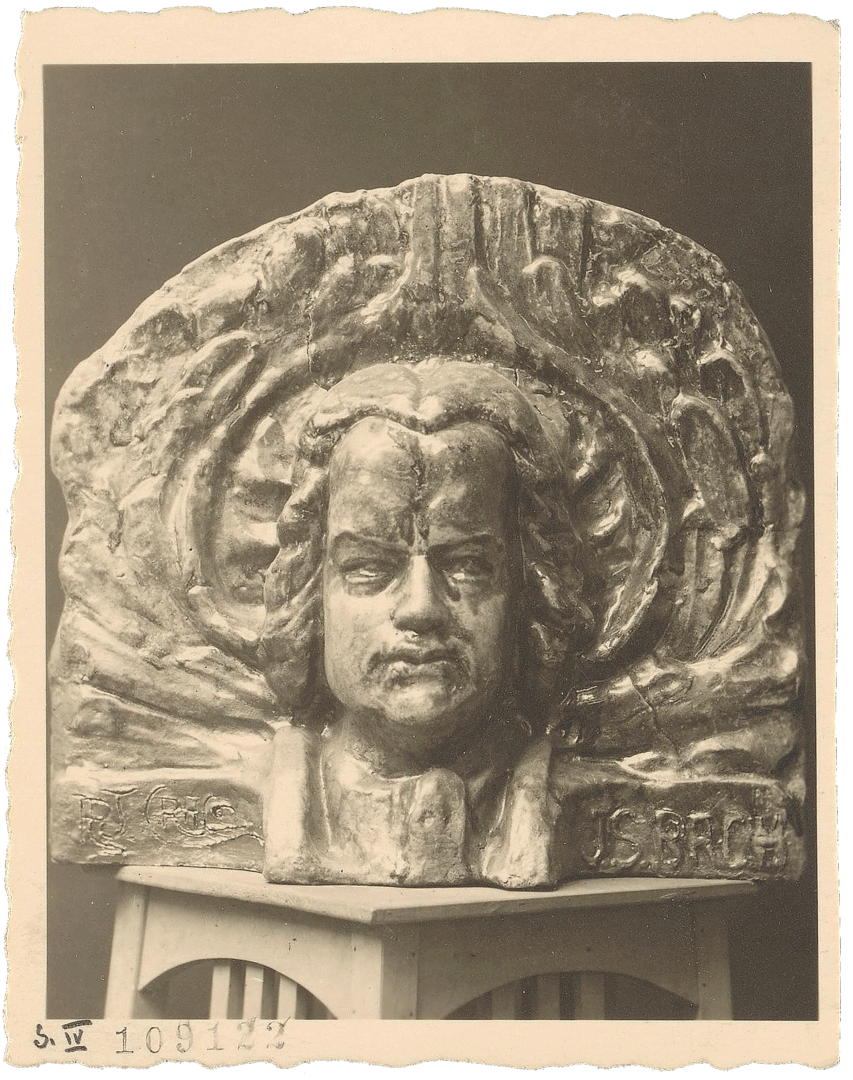
74 Bach in Stockholm, Sweden

75 Bach in Brussels, Belgium
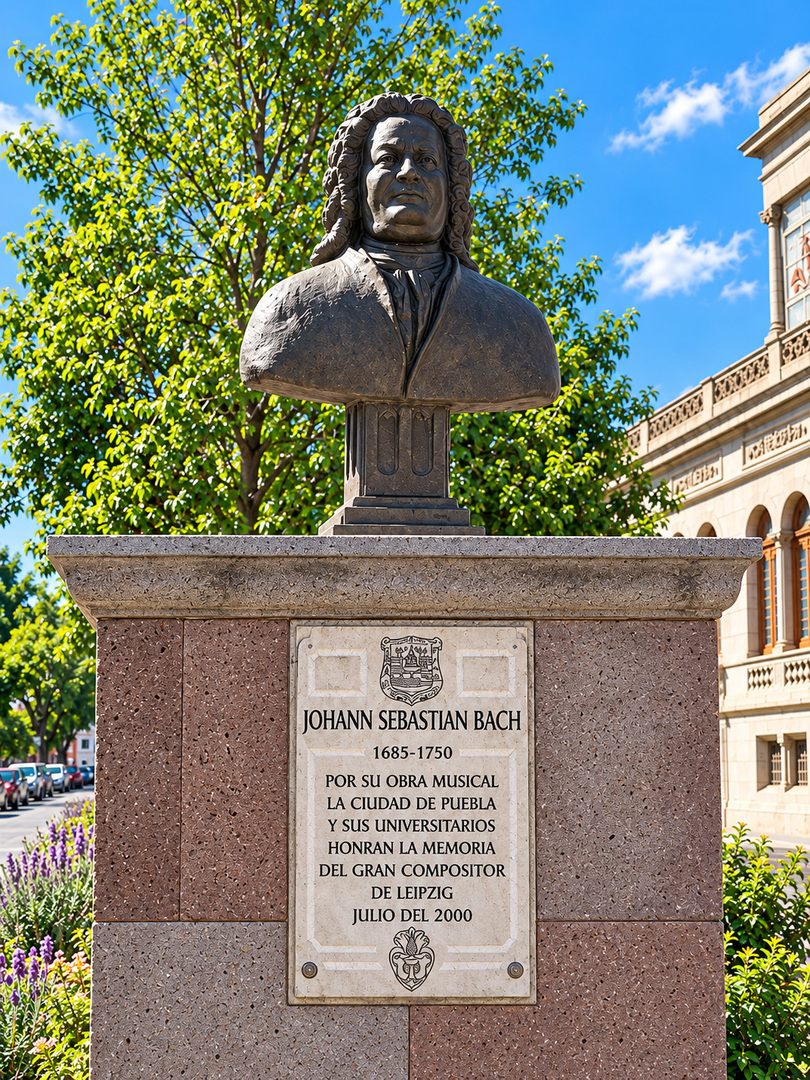
76 Bach in Puebla, Mexico
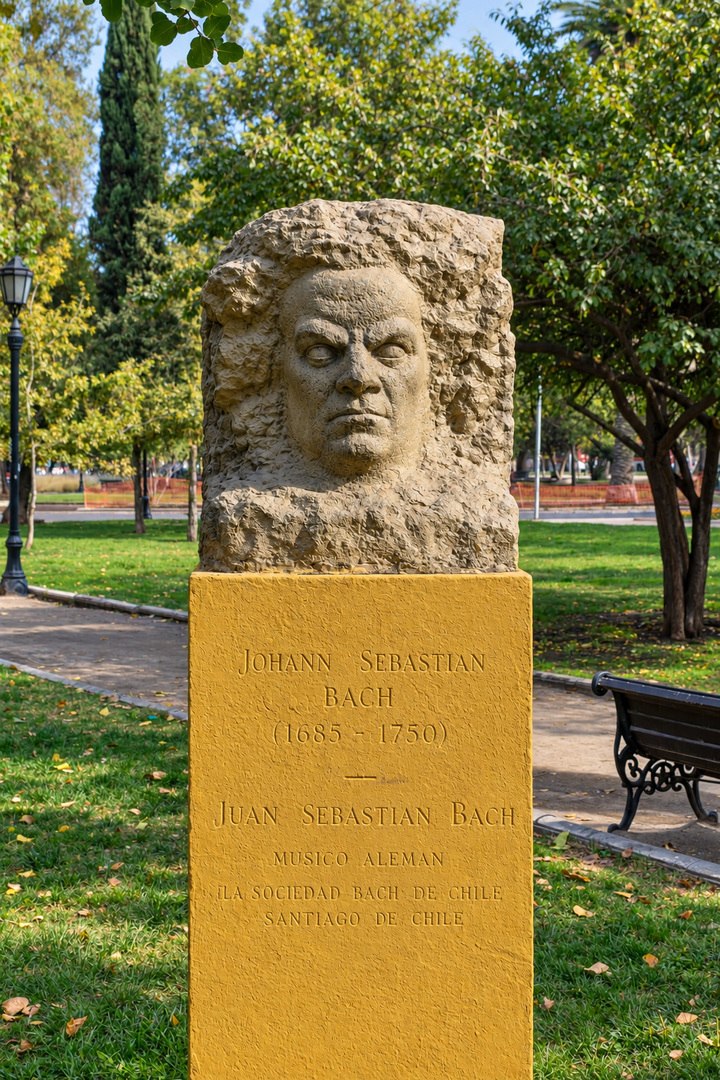
77 Bach in Santiago, Chile

Advertisement
Discover Bach Gift Ideas ... Thousands and Personalized Ones..

You'll find options there that you didn't even know existed. Click here to discover these Bach gift ideas in the Bach Mission's five online stores. You can visit the “Bach Seal Shop” here: One click is all it takes..
“Bach 4 You” Is the Specialist in Bach Seal T-Shirts..

Nowhere else can you find Bach T-shirts featuring two different Bach seals, both of which are “valid.” And you can choose between a large seal or a very subtle, small one. Click here for the Bach T-shirts. You can even directly access the “Bach T-Shirt Shop” with the two authentic Bach seals, and more Bach seal offers on “Zazzle”. With one click here..
Five Cool Bach Busts..
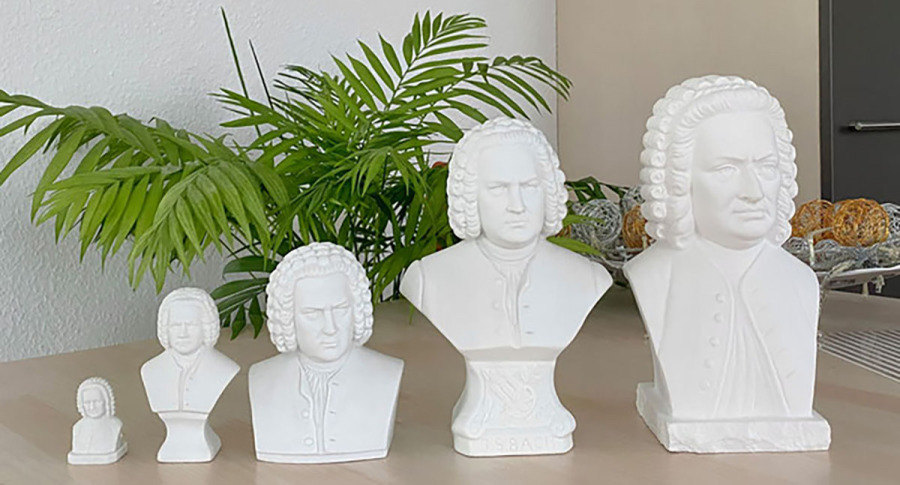
In fact, there are far fewer “unattractive facial expressions” that some Bach busts are “equipped” with. At the Renate Bach Publishing House, there are only great Bach facial expressions. Five different sizes, five different faces. Click here..
"Bach 4 You" Is the Specialist in the Universe, When It Comes to Bach Figures..
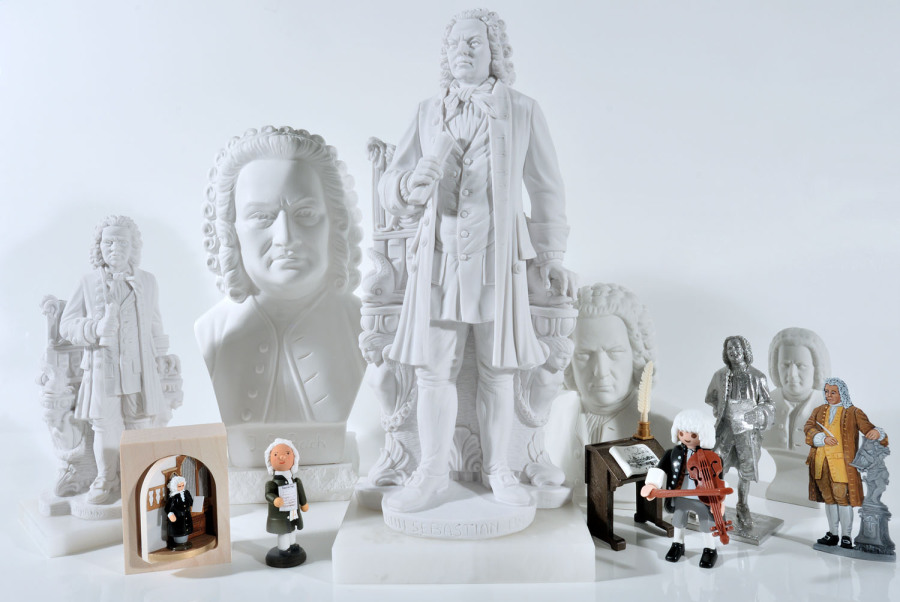
Is there a place where you find mor Bach busts, Bach stautues, Bach tin figures and little Bach men from the Ore Mountains in Germany? Find them all with a click here..
Ende der Anzeige
 Druckversion