

Bach FAQ 101
The Ave Maria: Did J.S. Bach Compose the Ave Maria?..
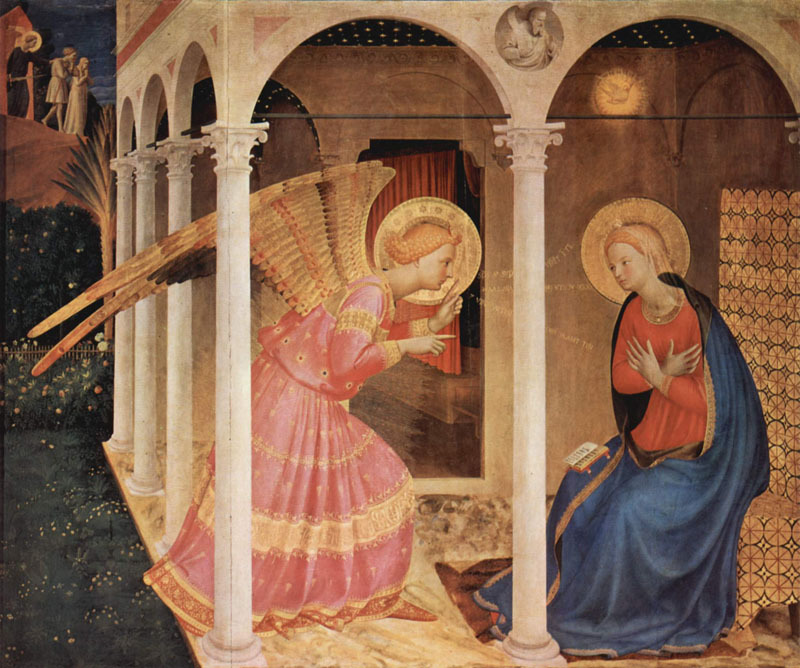
“Hail Maria”: the Hail Maria. It was painted by Fra Angelico, an Early Italian Renaissance painter from Vicchio near Florence, between 1423 and 1424..
The Ave Maria. Was it created by the composer from Eisenach, Germany? Or did Schubert compose it? Complicated, complicated..
On a website about the famous Thomas Cantor from Leipzig, Johann Sebastian Bach, we need to dig a little deeper ... so to speak. Perhaps the reason you’re having these thoughts – and asking one of the questions above – is this: You’re familiar with the Ave Maria. Sung by Beyoncé ...
... by Helene Fischer, ...
... by Andrea Bocelli ...
... or performed by André Rieu.
Or Sarah Connor sings it.
Luciano Pavarotti performed it ...
... or even Maria Callas, when you're around 70. But still a child at heart. Okay, to the question: So this Ave Maria was initially just a text. It's just one “mix of all the ingredients” that harmonize together in the piece. But: Let's start from the very beginning..

German singer Sarah Connor: She sings it ... © Info..
Advertisement
Music Calendars in Two Calendar Styles..
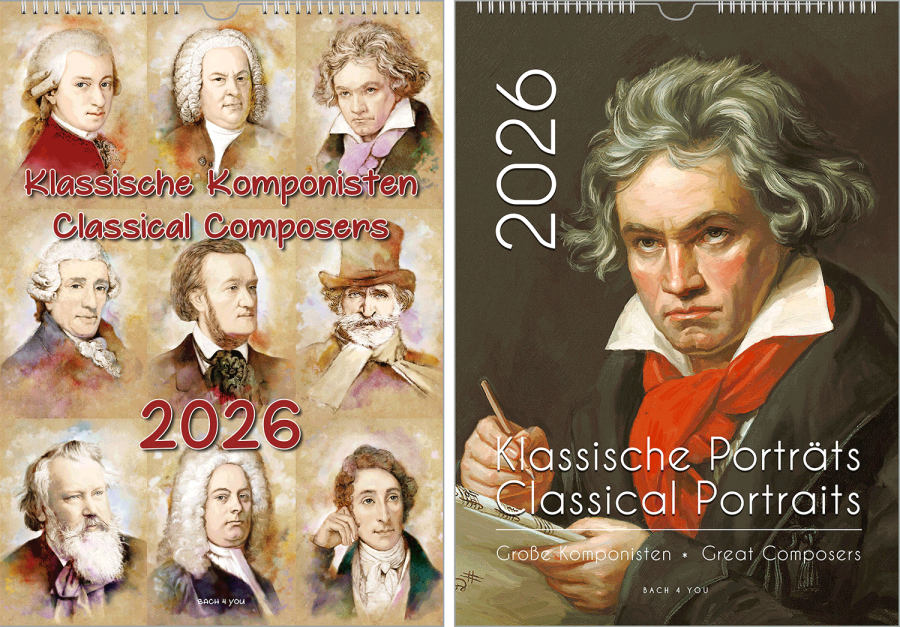
On the left is a composer calendar. On the right, too. Each calendar features twelve masters of composition. Available in two designs, In three sizes. For this year and next year. Click here to visit all stores; to find calendars, select the “Bach 4 You” store..
1,000,000+ music gifts, thousands of Bach gifts, 60 music calendars … learn more here..
End of Advertisement

... and Paul Potts: both sing the Ave Maria. © Info..
1 The Prayer Ave Maria..
First of all, the Ave Maria is a prayer. Both words are Latin and mean “Hail Maria (... Mary).” At the same time, it is also known as the fundamental prayer of the Catholic Church, addressed to Maria, the mother of Jesus Christ. “Ave” is originally Phoenician-Punic, a language spoken in Carthage on the northern edge of Africa. And back then, it meant “Hail!” Okay, so the Hail Mary (... Hail Maria) is a prayer. A very special one..
As early as in the 11th century, the first part of this Ave Maria was recited during devotions as part of the so-called Liturgy of the Hours. It actually consists of two parts. It was not until some 500 years later that Pope Pius V added a section, namely, the plea for assistance at the hour of death..
Incidentally, the Hail Mary is one of the most frequently recited prayers in Christianity. After the Lord’s Prayer, of course. It is also part of the “Angelus” and the “Rosary.” Two distinct versions have developed: the Eastern Church version and the Western Church version. This means there are two different texts: one in Latin and one in Greek. Consequently, the German and the English translations naturally differ as well..
You can find out more here, and, above all, get a more detailed explanation, right to the point, along with plenty of additional background information about this prayer..
2 Bach Accomplishes Part 1..
Johann Sebastian Bach initially composed the first part of the piece that would later become known as “Ave Maria.” This took place around 1722. It is the Prelude in C major from the first volume of The Well-Tempered Clavier. Bach wrote it as part of a collection of didactic piano pieces that systematically explore all keys and combine musical virtuosity with compositional order..
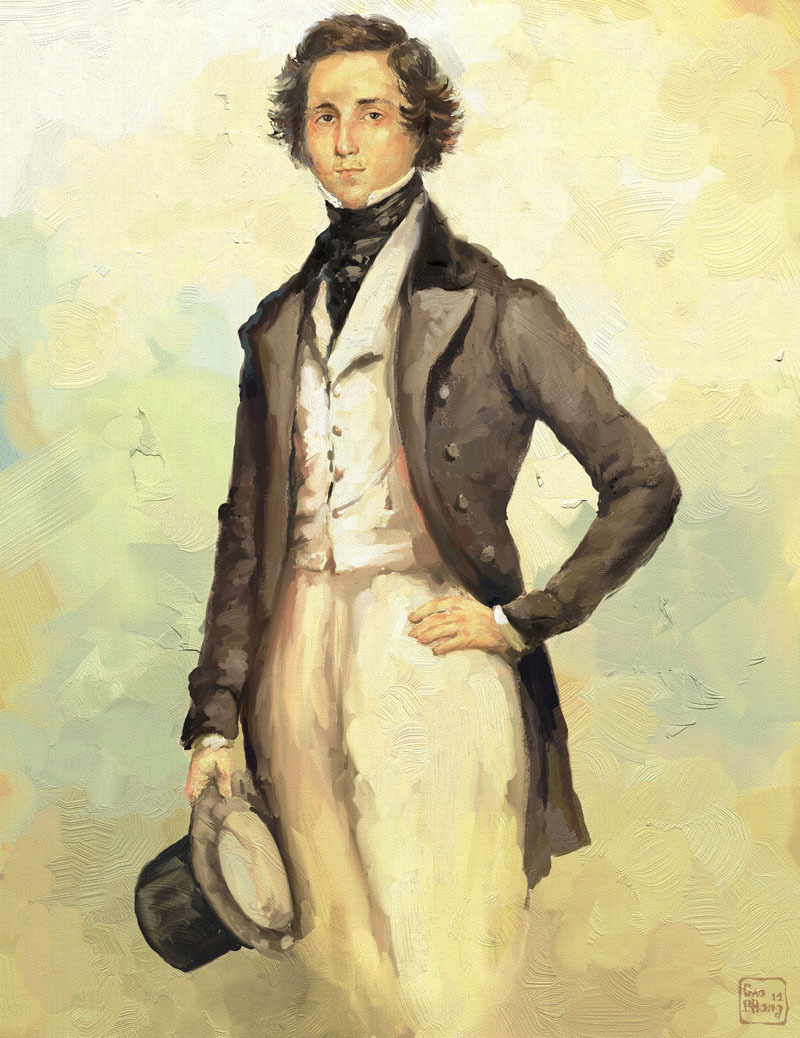
Felix Mendelssohn Bartholdy. He too composed heavenlike music, which bases on works by Johann Sebastian Bach. But of course, there's so much more. But not? Right, the Ave Maria..
3 The Ave Maria and Charles Gounod..
There is no question that what the composer Charles Gounod, that French master, added here to Johann Sebastian’s foundation, so to speak, is the best-known, indeed the most famous Ave Maria today. Just how enthusiastic Gounod was about the creativity of the Thomas Cantor and his works is demonstrated by the quote from the Frenchman about Johann Sebastian Bach (“Bach Quotes”, Part 3, roughly in the middle). You can read it by clicking on the link. By the way, Gounod added a few bars. Then he composed his own work over this melody by Johann Sebastian Bach with pinpoint precision..
This very piece of music, still completely without lyrics, is thus the work of two of the greatest composers of their time. A few years later – seven years, to be exact – it would become the “Ave Maria” as we know it today. In music and among music connoisseurs, this is referred to as a hybrid composition. “Gounod feat. Bach” is what we’d probably call it today, that just sounds cooler..
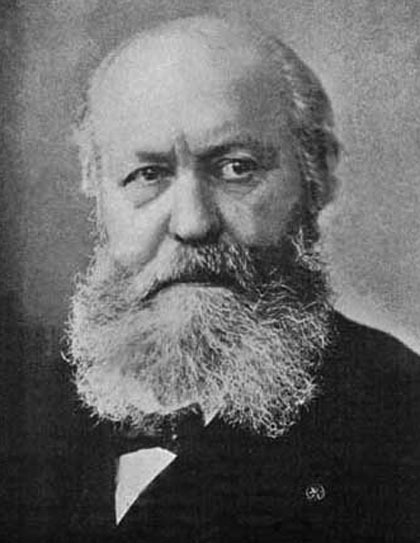
Charles Gounod, one half of the "music dream team Bach/Gounod". For the Ave Maria, as we know it today, however, it took one more artist. If we want to listen to it sung..
4 Bach's Ave Maria?..
What do people today “understand” by Bach’s Ave Maria, when they talk about the Ave Maria in Classical Music? Actually … Bach’s Ave Maria … doesn’t exist at all! There are many lovers of Johann Sebastian Bach’s music who, when asked whether the Ave Maria is actually by him – or not – answer with a clear, but not entirely correct, “No.” So: No, the Ave Maria is not by Bach. And in a way, they’re right..
At first, the piece Ave Maria, as we know it today, was not yet complete. After all, back then – in 1852, incidentally more than 100 years after Bach’s death – no one had actually sung it yet. And no one referred to this piece of music as the Ave Maria either. What Johann Sebastian Bach and Charles Gounod had created together was initially purely instrumental. It wasn’t until 1859 that what we now know as the Ave Maria was completed. Namely: the text – which some of us today may not consider particularly important – was added. However, it begins with the two words Ave Maria. This is what gave the entire work its name starting in 1859. The compositions by the two composers Bach and Gounod and finally the text resulted in the title Ave Maria from that moment on, when publisher Jaques Léopold Heugel supplemented the melody with the well-known Latin prayer as we know it today. Nellie Melba is said to have been one of the first popular singers of the time to perform it. No one knows that name today anymore. But the artist name Enrico Caruso ... you might have heard that one before..
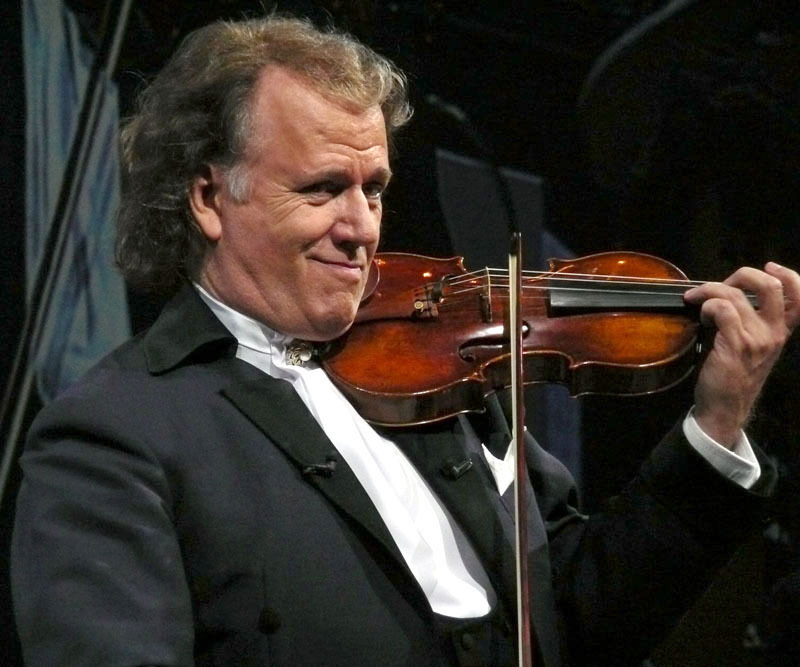
In André Rieu’s interpretation, it’s easy to tell what’s by Bach and what’s by Gounod. Quite simply: piano = by Johann Sebastian Bach. Violin = by Charles Gounod. It is the combination of these two pieces that gave the title “Ave Maria” ... though it wasn’t until 1859 that it received this title ... and today it is once again performed as “Ave Maria” without lyrics. Strangely enough, this piece was only called “Ave Maria” with the lyrics starting in 1859. However, it is still called that even when the lyrics – that is, the singing – are omitted in a performance. Just like with Rieu. Or in the Paris Metro, for example. © Info..
The Ave Maria: Goose Bumps in the Paris Métro ... Our Very Personal Experience..
Please don't stone me now. What you'll see in this short video isn't artistic in the slightest. But ... it meant the world to my wife and me back then. And, a long time ago, it was like an omen for the “Bach on Bach” project. Read on below first. Before watching (... after the ad) ... ..
Advertisement
Music Calendars in European Style, Music Calendars in US Style (... With Grid)..
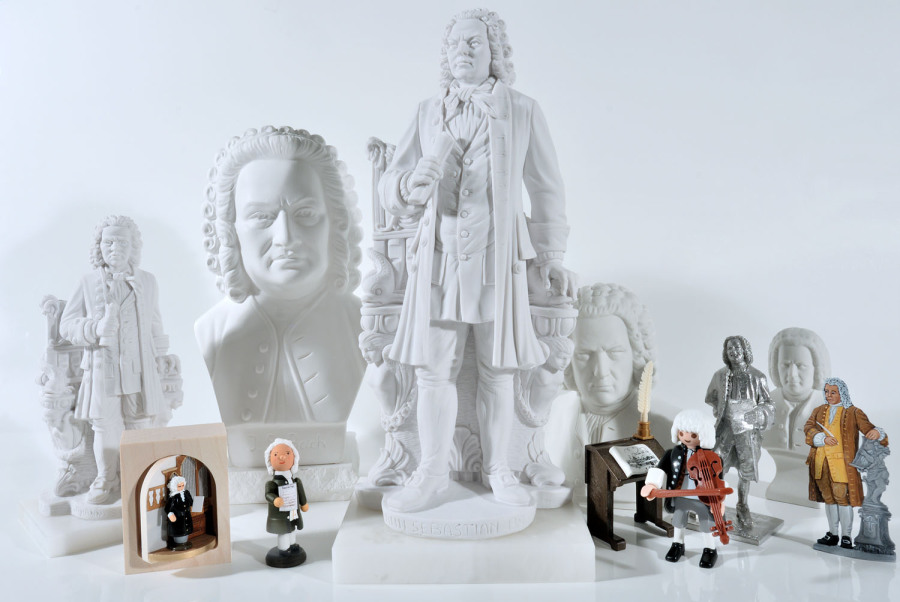
On the left is the most successful Bach calendar; on the right is one of many cool and impressive Bach figures. Click here to explore a wide selection of Bach busts, Bach statues, Bach tin figures, and little Bach men from the Ore Mountains, Germany..
Right at the start of this Bach on Bach project, back around 2012, I still believed there was really only one image of the genius from Eisenach. Namely, the “well-known” oil painting by Elias Gottlob Haußmann. There were also, to some extent, the portraits by Ihle and Rentsch. And the so-called “old age portrait.” But my project needed more images. Above all, modern ones, and at least one that was really cool. Since you couldn’t always find what you were looking for online (... in 2012), and because it was so important to me, we took the car to Paris. To have one of the street artists there, behind the Sacré-Cœur church on the Place du Tertre, paint our “own” portrait of the Thomas Cantor. So far, so good..
On the way there, we got lost in the metro. Not quite as badly as Hansel and Gretel in the forest, of course. But we just couldn’t seem to get to where we wanted to go. But finding your way around the Paris Metro is actually a piece of cake. As we rounded the corner of one of the long tunnels onto a platform, there it was: the Ave Maria. We both thought we couldn’t believe our ears. And when you’re as “into Johann Sebastian” as we both were back then, it’s clear why we both got goosebumps. When “our artist” was almost finished with “his” performance, I finally realized that I was, after all, carrying a video camera and a tripod: After all, we had planned to film on Montmartre. But the idea of making a video of the musician in the Metro didn’t occur to me at first..
Not exactly spontaneously, I asked the “musician” if he would play that exact piece for us one more time. Of course, I also asked him if I could film him. And I inquired whether I could share it online as well. For a small fee, of course. He agreed and was just a little surprised. Then we got to hear the Ave Maria a second time. And now you can watch it. And listen to it, too. Exclusively. In the Paris Metro. Finally, you “may” click above. Below is the cartoon along with “behind-the-scenes” photos. The cartoon we eventually had drawn..
It Gets Even More Complicated..
By the way, in 1825 Franz Schubert composed a song that, of all things, also begins with the words Ave Maria. Later, other musicians arranged new versions of his composition. Since the opening words were much more catchy than the actual title, they simply called it Ave Maria as well. And just like that, confusion was inevitable. That is why this song is repeatedly referred to as “Schubert’s” Ave Maria. Schubert certainly would not have wanted that. His song was not a setting of the prayer. Rather, it was simply titled “Ellen’s Third Song”. And Ellen addressed a prayer to the Virgin Mary. Namely, this very prayer, “Ave Maria.”..
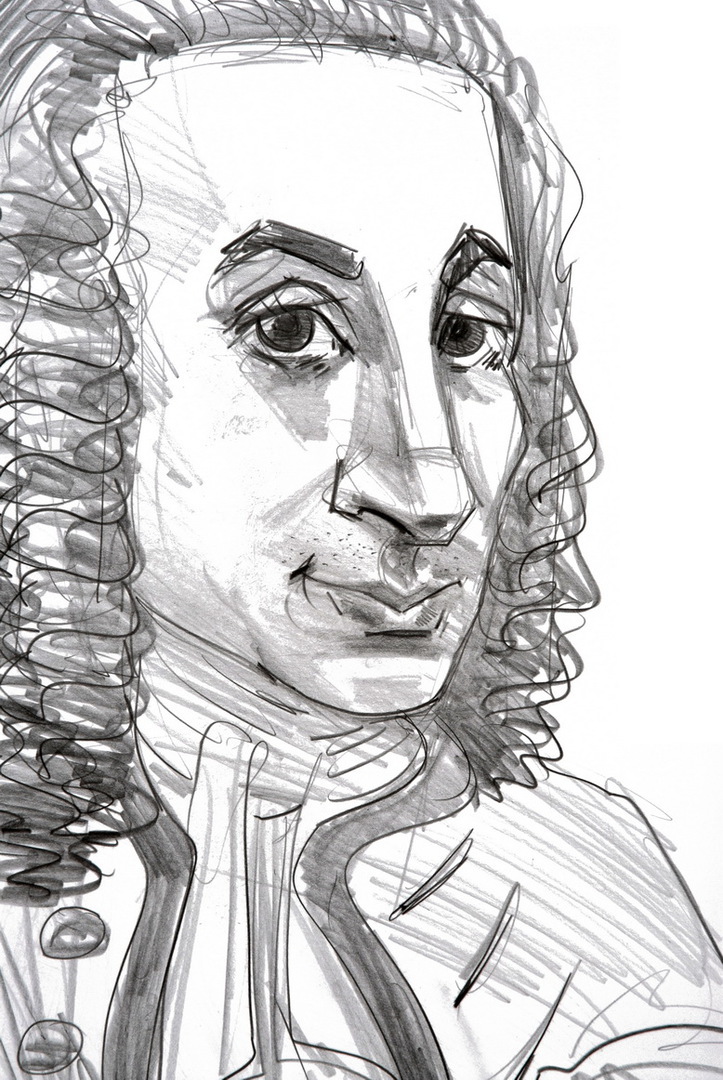
A cartoon of the composer for my project. Johann Sebastian Bach, painted on the Place du Tertre behind the Candy Church Sacré-Cœur in Paris. For me, for us, for you. Approved for publication, purchased with all the trimmings. However, this cartoon has very little to do with our “musical work of art,” the video in the metro. Or … maybe … it does. Both are just a tiny bit disrespectful. On a website about the master from Thuringia..
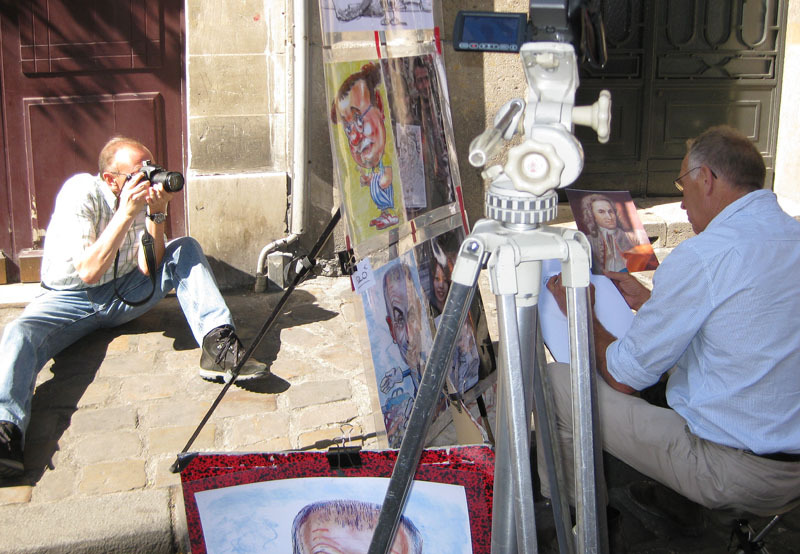
“The Making Of”: Johann Sebastian Bach on the staff twice, and one on the floor. Yes, I really go all out to take good photos. Did you spot the composer from Eisenach, Thuringia, in the photo?..

Of course he was happy to draw it for us. And naturally, we purchased the copyright for the image. We also asked him if we were allowed to publish these photos with his permission. Because asking ... that’s just the right thing to do..
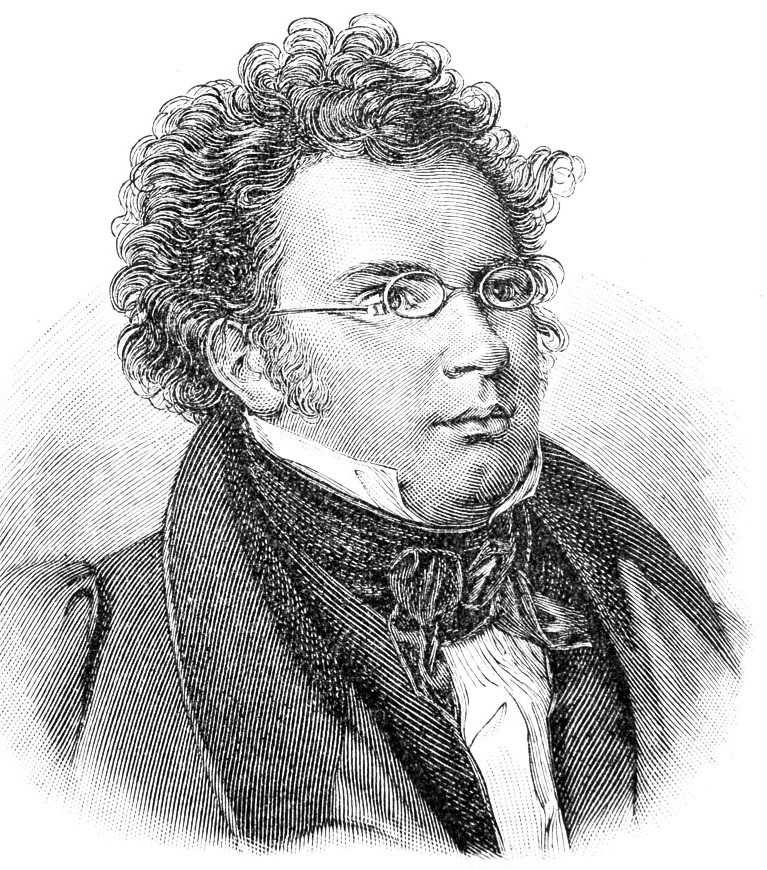
Franz Schubert composed “Ellen’s Third Song.” That is the actual title of his work “strangely enough, in fact”. Today we almost exclusively call it Schubert’s “Ave Maria.” It’s certainly easier to remember. Schubert composed this piece, however, a quarter of a century before Gounod set Johann Sebastian’s work to music in 1825. Ultimately, it is once again a collaborative work by several artists, as it is based on a poem by Walter Scott, which was originally titled “The Lady of the Lake” in English. It was then translated into German as “Fräulein am See” . Click here to give it a listen. But there’s an important note regarding this. So please read the next section first, after the advertisement..
Advertisement
Many Cool Bach Figures: In Many Designs, Materials, and Sizes..

Bach figures and more Bach figures. The challenge? We searched for the most artistically impressive Bach figures for you. And what’s the most important thing? The facial expression..

1 + 1 + 1+ 1: Finally the Ave Maria Comes Into Being – Finally ... After Whole Endlessly Long 150 Years..
Other artists are now coming into play, so to speak. Gounod composed a part 2 of the melody, which is sung in the following three videos. But you can also clearly hear the foundation laid by Johann Sebastian Bach. And in the meantime, a third artist has written the lyrics to go with it. You can now clearly identify the part of the work that Gounod composed so beautifully. Finally, however, a fourth artist comes into play. He or she performs this creative combination ... sung. One result, four artists. Just give it a listen. As always, you can do that by clicking on the link here and listening to Laura Ullrich, for example. Don’t know her? Not yet! 20,500 people are now familiar with her Ave Maria performance (... April 2026)..
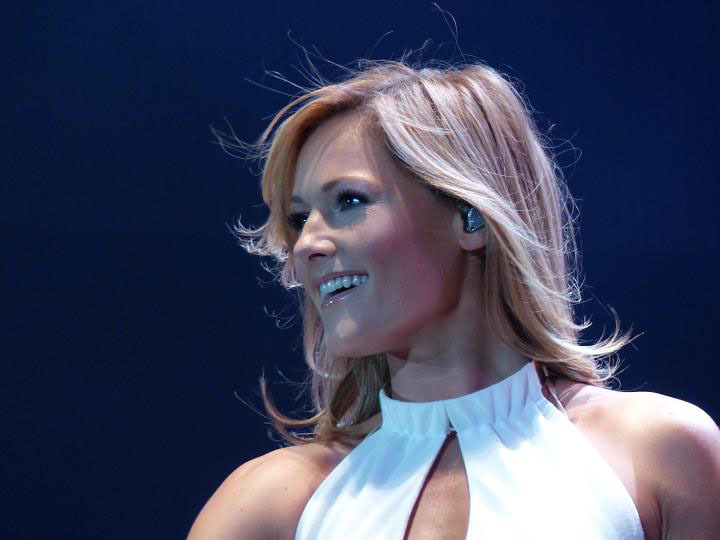
Helene Fischer, a superstar in Germany, sings the Ave Maria in German. And it is not the Ave Maria of Schubert. © Info..

Paul Potts: His Ave Maria thrills "anyway". And again it is the combination of the Thuringian and the French. By the way, Paul Potts is allowed twice on this page: Who can last so longin life ... © Info..
Here you get – if you like this young, cute artist as well – even two more performances. One, of course, is the "Ave Maria", performed by Jackie Evancho, meanwhile with 2 million clicks. And after that one more performance, when she was still nine years old..

Jackie Evancho: born in the year 2000 and she sings really cool. And if you want little goose bumps after her "Ave Maria", then there's an add-on: Jackie at the age of nine. © Info..
Your "Ave Maria": Thank You, JSB..
Without our genius from Eisenach, Gounod would certainly never have been inspired to compose his melody. And all the artists who followed on this page would certainly never have performed such wonderful works of art based on it. So thank you so much, Johann Sebastian..
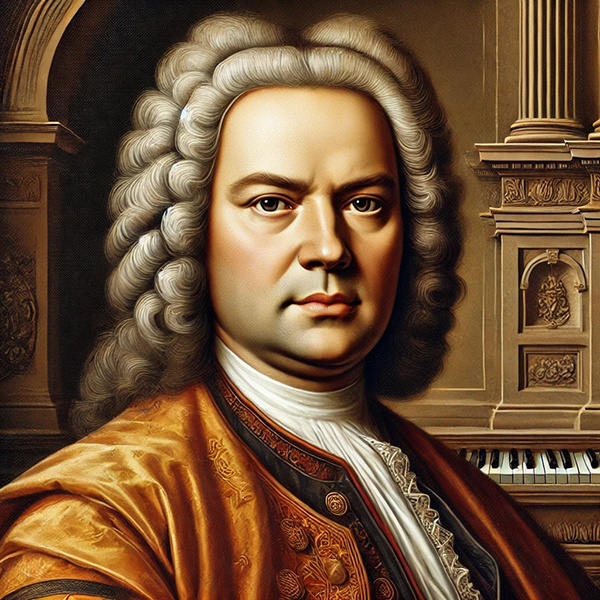
Between all the cool, hip, and young artists like Gaga, Fischer, and Beyoncé, J.S. doesn’t always want to be presented in that old Haußmann oil painting. But in any case: This clears up once and for all who “Ave Maria” actually refers to. © Peter Bach, Jr..
Even More Info in the Matter of "Ave Maria"..
More background on the prayer Ave Maria can be found here..
A little more detailed information about the origins of the common Ave Maria can be found here..
Whoever wants to read exactly, what's about the Ave Maria of Schubert, which is not even called "Ave Maria", may read that here..
To the Pilgrimage Church with the Kapuzinerkloster Ave Maria (... Capuchin Cloister) in Deggingen, Germany in the district of Göppingen near Stuttgart: Just click on the link above..
And finally – not quite seriously – you can visit a community named Ave Maria in the US State of Florida. Click on the rust-red link..
A total of six films were produced with the title "Ave Maria" and that is between 1910, the first two were silent films, and 1956. If you are strongly interested now, you may simply click here..
More "Ave Maria" is almost simply not possible..
Advertisement
Five Shops with Music T-Shirts, Music Calendars, and Really Cool Bach Stuff..
1,00,000+ music gifts, 60 music calendars … learn more here..
60 Music Calendars Are 60 Music Gifts..
The Bach calendar on the Ave Maria page: All 20 Bach calendars come in three sizes, and they are released in both, this year and next year. In US style and in EU style. To the Shop..
End of Advertisement
 Druckversion